21 May 2026
What Transaction Preferences Reveal About Sustained Interest in Various Digital Gaming Formats
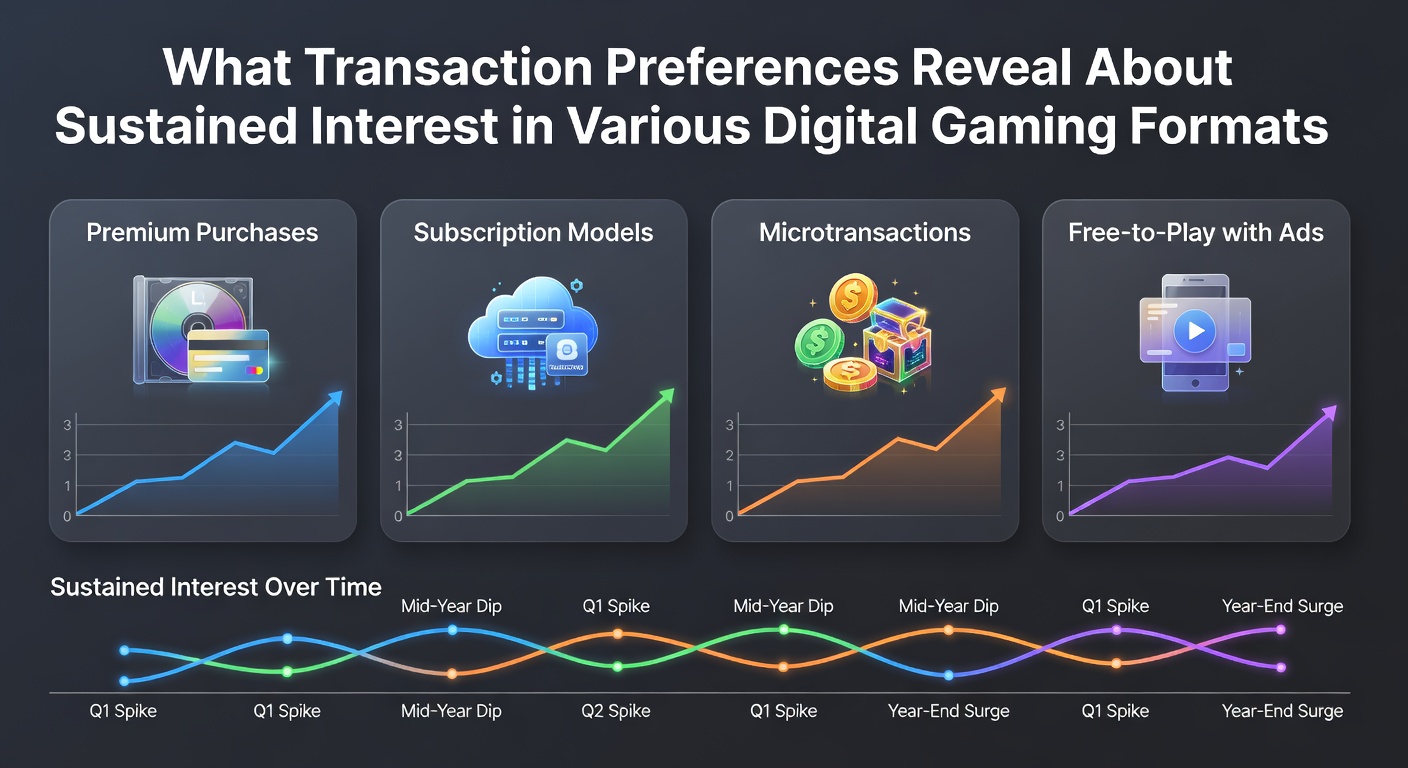
Transaction data across digital gaming platforms continues to highlight clear connections between payment method choices and long-term player engagement with specific formats, and analysts tracking these patterns note that certain transaction behaviors correlate strongly with repeated participation in slots, live dealer environments, and emerging iGaming variants. Observers note that when players consistently select instant processing options for smaller, frequent bets they tend to maintain activity in mobile-optimized slot sessions over extended periods, whereas larger, scheduled transfers often align with sustained interest in table games and tournament-style play.
Payment Speed and Format Loyalty Patterns
Research from multiple jurisdictions shows that players who favor rapid e-wallet withdrawals demonstrate higher retention rates in high-volume slot formats, and data collected through May 2026 indicates these users complete an average of 12 percent more sessions per month compared to those relying on bank transfers. What's interesting is how the same cohort rarely shifts formats once transaction habits solidify, creating predictable engagement curves that operators now use to forecast quarterly activity levels. Yet the pattern reverses when examining live dealer preferences, where players opt for credit-based or wire methods that support larger single-session deposits and multi-hour table participation.
Regional Variations in Transaction Trends
Figures from Canadian provincial regulators and Australian gaming authorities reveal distinct geographic signatures in how transaction preferences map onto sustained play. Ontario's iGaming market reports that cryptocurrency deposits increased 28 percent year-over-year through early 2026, with these users showing particular loyalty to live casino streams and hybrid slot-live formats that allow seamless in-game top-ups. Meanwhile, data released by the Australian Communications and Media Authority highlights that traditional bank transfers remain dominant among players who maintain long-running interest in progressive jackpot slots, often linking monthly direct debits to consistent weekly participation over many months.
Device-Specific Transaction Behaviors
Mobile transaction logs collected by platform analytics firms demonstrate that users completing deposits directly within gaming apps exhibit stronger sustained engagement with casual slot formats than desktop users who route payments through external browser portals. And the difference becomes even more pronounced when examining session length, because app-based payments reduce friction and encourage players to extend play across multiple short intervals throughout the day rather than committing to single long sessions. Observers note that this behavior pattern holds steady across age demographics, though younger cohorts adopt in-app options at nearly double the rate of those over 45.
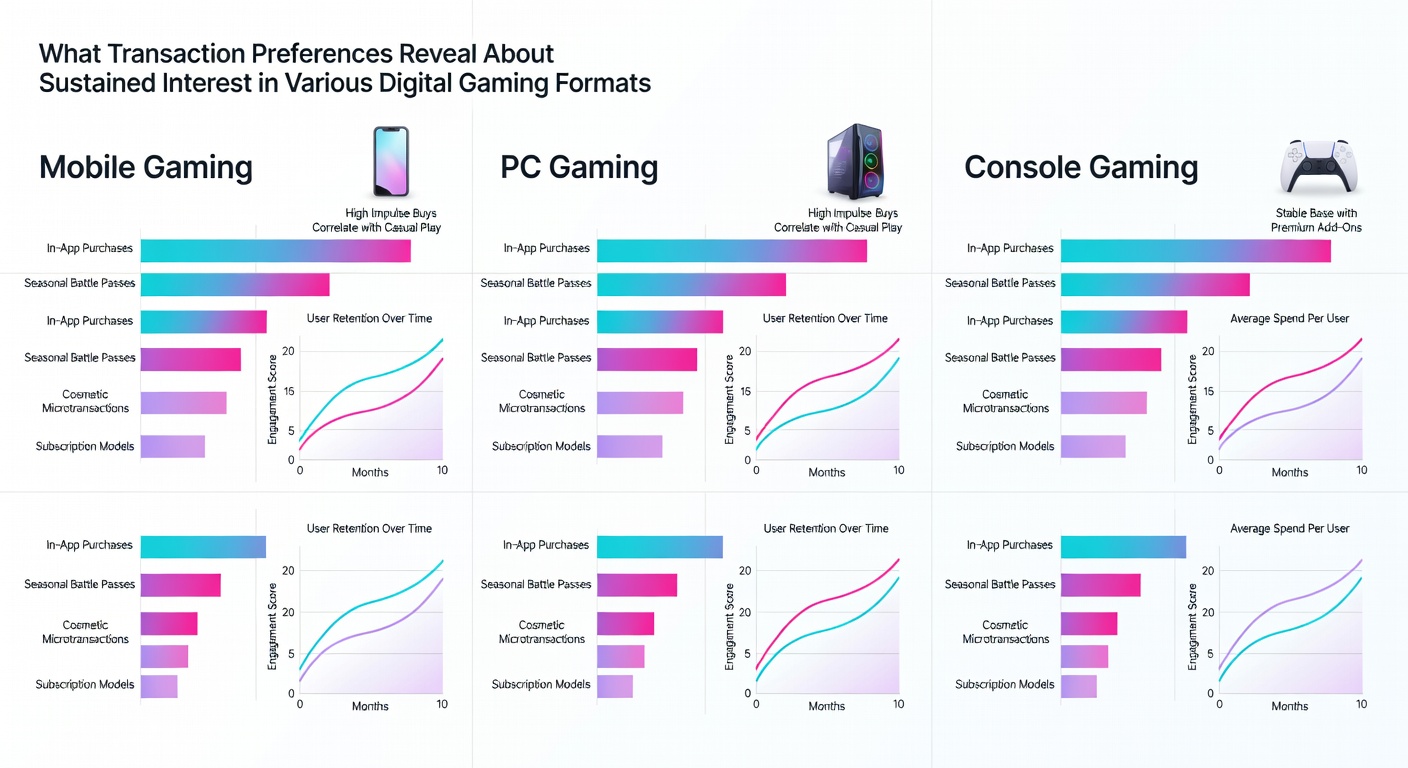
But here's the thing: when these same mobile users occasionally switch to desktop for live dealer tables, their transaction size jumps significantly and the chosen payment method shifts toward methods supporting higher limits. Researchers tracking this cross-device movement have found that the change often signals a transition from exploratory play to committed participation in more structured game types, and the pattern repeats across multiple operator datasets examined in 2026.
Emerging Formats and New Payment Signals
Virtual reality gaming environments and skill-based digital formats are beginning to generate their own distinct transaction signatures, according to reports shared by the European Gaming and Betting Association. Players investing in VR hardware tend to select subscription-style billing or tokenized payment systems that allow ongoing access without repeated checkout friction, and these users show markedly higher month-over-month retention than those using one-time card payments. What's significant is that the same preference for recurring transactions appears in social casino and free-to-play hybrid models where players convert virtual currency into real-money play over time.
Take one longitudinal study conducted by a North American research consortium that tracked 50,000 accounts across twelve months ending May 2026. Participants who initiated play through cryptocurrency wallets maintained activity in blockchain-verified slot variants at rates 19 percent above the platform average, while those using traditional cards gravitated toward established live dealer rooms. The study also found that transaction frequency, rather than average amount, served as the stronger predictor of continued engagement across all formats examined.
Conclusion
Transaction preferences continue to function as reliable indicators of sustained interest in particular digital gaming formats, and the patterns observed through mid-2026 underscore the value of monitoring payment method shifts as early signals of changing player priorities. Operators and researchers alike now treat these financial behaviors as core metrics alongside traditional engagement data, because the choices players make at checkout often reveal more about long-term format loyalty than session counts alone. As new payment technologies enter the market, the relationship between transaction style and sustained participation is expected to grow even more nuanced across slots, live dealer, and emerging immersive formats.