22 Jun 2026
Shifting Player Priorities in Regulated Digital Wagering Ecosystems and Their Impact on Long-Term Retention Metrics
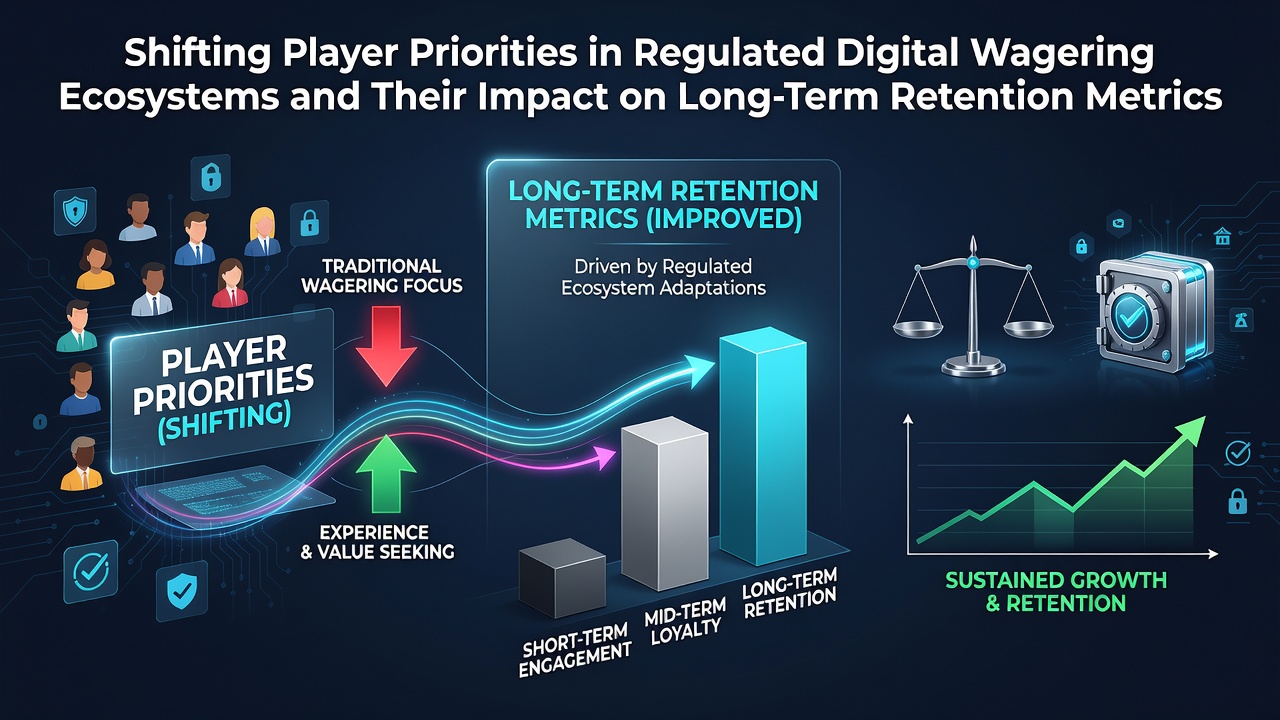
Regulated digital wagering ecosystems have witnessed noticeable changes in how participants allocate their attention and resources since early 2025, with data indicating that preferences now lean toward platforms offering stronger responsible gaming tools alongside flexible session controls rather than isolated bonus incentives alone. Researchers tracking these patterns across multiple jurisdictions note that retention metrics such as average player lifespan and repeat visit frequency respond directly to these adjustments because sustained engagement hinges less on initial acquisition hooks and more on ongoing platform adaptability.
Core Changes in What Players Value
Participants in these environments increasingly prioritize seamless integration of payment methods that support quick deposits and withdrawals while maintaining strict compliance with regional licensing standards, and this shift shows up clearly in session data collected through 2026. Observers note that mobile compatibility has moved from a basic expectation to a deciding factor for continued use, especially as operators refine interfaces to handle both slot sequences and live dealer interactions without friction. Studies from academic institutions highlight how users who encounter reliable cross-device functionality tend to extend their activity periods, which in turn supports higher retention figures over six- to twelve-month windows.
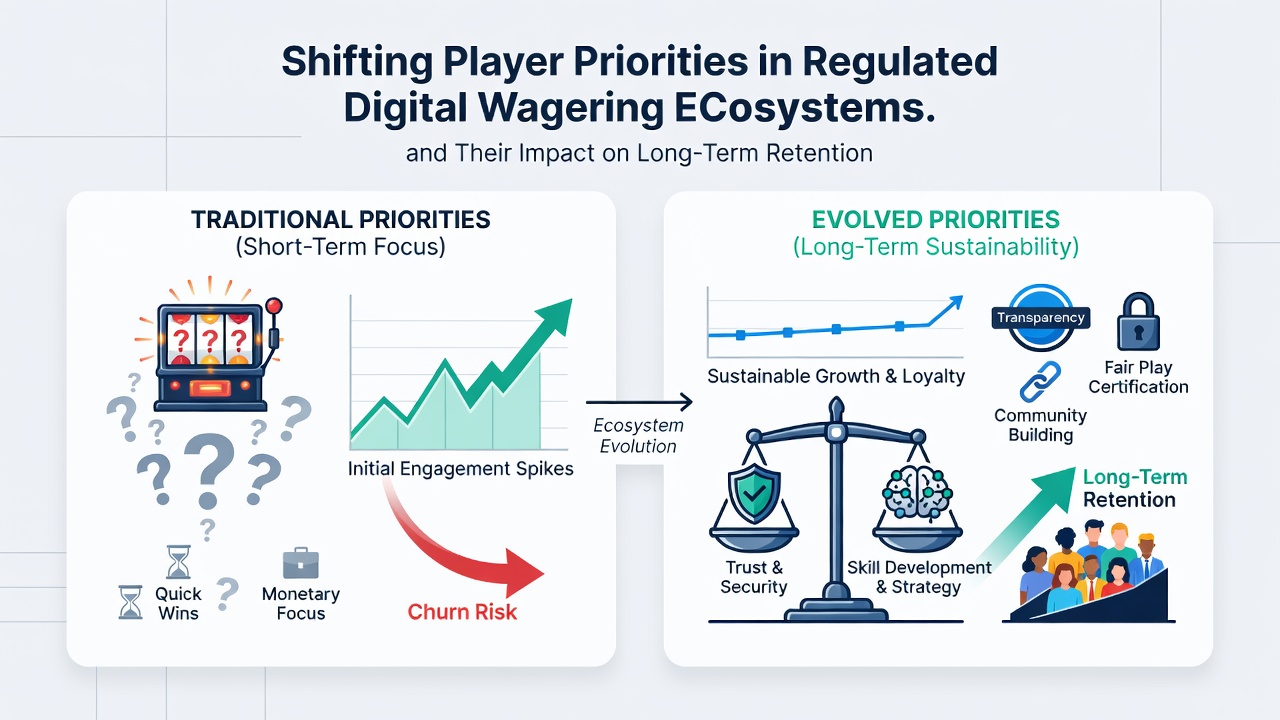
What's interesting is the growing emphasis on transparency around game mechanics and payout structures, which regulators in several markets have encouraged through updated disclosure rules. One analysis of user behavior in Canadian provinces found that platforms publishing clear RTP information alongside session history tools experienced slower churn rates compared to those relying primarily on promotional cycles. These findings align with broader industry reports indicating that informed decision-making correlates with longer-term participation because players feel greater control over their activity levels.
Effects on Retention Metrics Across Jurisdictions
Long-term retention metrics, including metrics like monthly active user persistence and lifetime value calculations, reflect these priority adjustments in measurable ways. Data from the New Jersey Division of Gaming Enforcement shows that igaming operators who invested in customizable responsible gaming features during late 2025 recorded steadier player cohorts through the first half of 2026, whereas those focused narrowly on bonus volume saw more pronounced drop-offs after initial welcome periods. The same patterns appear in emerging markets where new licensing frameworks took effect around mid-year, prompting operators to recalibrate their offerings.
Take one researcher who examined transition timelines in Illinois, where American Place casino developments broke ground in Waukegan during spring 2026, and noted parallel online trends. Players there demonstrated stronger loyalty toward sites that balanced traditional table games with evolving mobile features, leading to extended multi-game sessions rather than isolated visits. This behavioral adjustment contributes to improved retention because diversified content reduces fatigue and encourages habitual returns without relying on constant external incentives.
Regional Regulatory Influences on Player Behavior
Regulatory developments continue to shape these dynamics, with the Pagcor agency in the Philippines projecting potential gross gaming revenue adjustments for 2026 that have encouraged operators to emphasize sustainable play models. Participants respond by favoring environments where deposit limits and time-tracking tools integrate naturally into the interface, and this preference shows measurable effects on how long individuals remain active within specific ecosystems. Australian research bodies have documented similar outcomes, where mandatory harm minimization features correlate with steadier engagement curves over multi-quarter periods.
Yet the reality is that not every platform adapts at the same pace. Operators in Michigan, where online gambling revenue reached notable levels by May 2026, have adjusted bonus structures to comply with cross-border guidelines, and those modifications appear to influence how players distribute their activity across multiple titles. Retention improves when these changes align with user expectations for fairness and variety, as evidenced by aggregated session logs that track progression from single-game focus to broader exploration.
Practical Examples from Recent Market Activity
One study revealed that platforms undergoing expansion, such as Sky River Casino in California or Kewadin properties in Michigan, integrated digital elements that mirror physical venue enhancements and this approach helped maintain interest among users migrating between land-based and online formats. Retention metrics benefit when players perceive continuity in experience, whether through loyalty tracking or consistent game libraries, because the transition feels less disruptive. Penn Entertainment's planned Hollywood Casino Aurora shift scheduled for mid-June 2026 offers another case where coordinated regulatory and operational planning could influence how digital counterparts retain participants who value stability.
Figures from various trade associations indicate that deposit option flexibility plays a supporting role in these retention patterns, with users who access diverse transaction methods showing higher rates of continued activity. The ball's in the operators' court to align these tools with evolving compliance standards, and those who succeed see the writing on the wall in their data dashboards through reduced early-stage exits.
Conclusion
Overall patterns across regulated digital wagering ecosystems demonstrate that retention metrics respond most reliably when platforms address shifting priorities around transparency, device flexibility, and integrated responsibility features. Data from multiple sources confirms that these elements extend participation timelines more effectively than promotional volume alone, particularly as markets continue to mature through 2026 and beyond. Operators monitoring these indicators can adjust offerings to match observed behaviors, supporting more consistent long-term engagement across user bases.