8 Aug 2026
Shifting Deposit Patterns Quietly Guide Reel-to-Table Shifts in New App Casinos
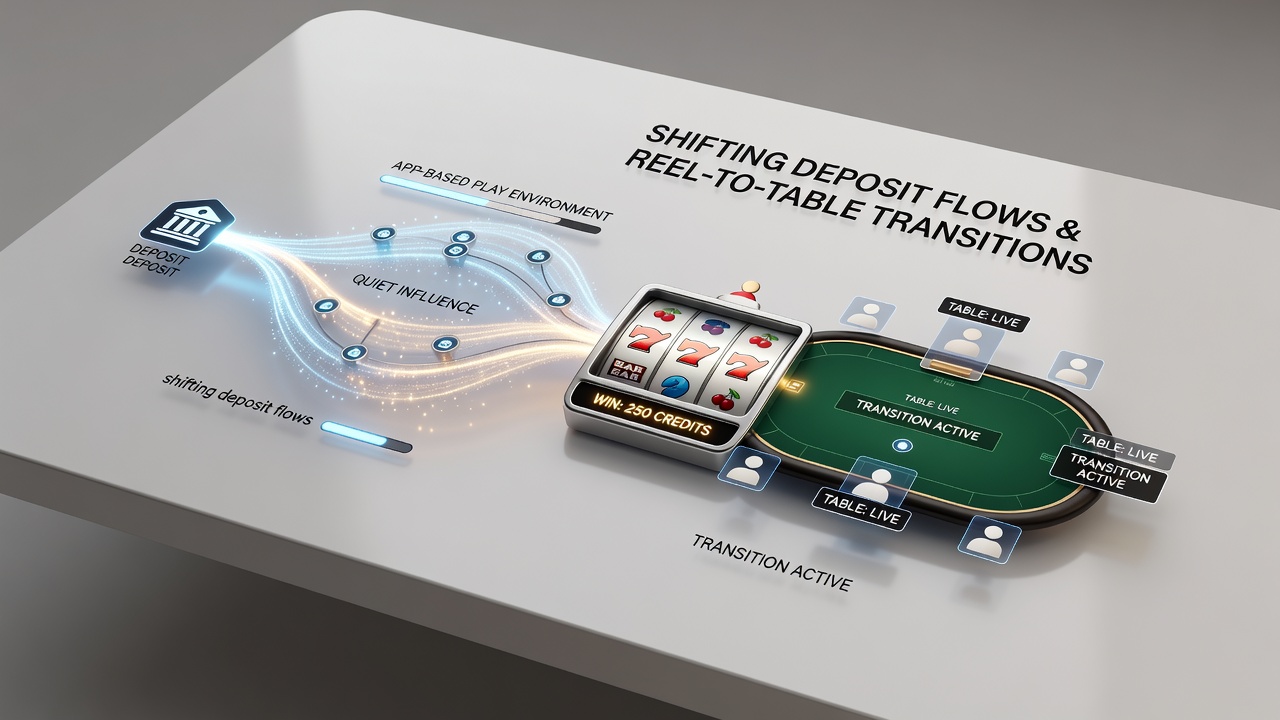
Deposit methods in newly launched mobile gaming platforms continue to shape how players move between slot machines and table games, with recent figures from August 2026 highlighting measurable changes in these transitions across several markets. Observers note that payment preferences such as instant e-wallets versus slower card options often correlate with session length and game type selection, creating patterns that developers track through user data analytics.
Deposit Method Trends in Emerging Platforms
Platforms that debuted in early 2026 report increased adoption of digital wallets for initial funding, while traditional bank transfers maintain steadier but smaller shares of total volume. Data indicates that users selecting faster deposit options tend to begin with reels before exploring live dealer tables within the same session, whereas those using credit cards show more deliberate pacing that delays the switch to table formats. Researchers tracking these flows across multiple operators have identified consistent correlations between deposit speed and the timing of game-type changes.
Regional Data Points from August 2026
According to reports compiled by the Nevada Gaming Control Board, mobile deposits in the state reached notable volumes during the summer months, with shifts toward wallet-based funding coinciding with higher table game engagement in app environments. Similar patterns appear in data from Australian regulatory filings, where new platforms recorded elevated reel-to-table movement after users completed quicker funding steps. These observations stem from aggregated transaction records rather than individual player tracking, maintaining compliance with privacy standards.
Payment processor statistics further reveal that platforms integrating multiple deposit tiers see users experiment across game categories more frequently than those limited to single-method options. One analysis of app-based environments found that seamless wallet deposits reduced friction points, allowing sessions to extend and incorporate both slots and blackjack or roulette tables without interruption.

Mechanics Behind Reel-to-Table Movements
App developers design onboarding flows that respond to deposit type, presenting slot recommendations first while gradually introducing table game prompts as session data accumulates. Studies from industry research groups show that instant confirmation of funds often leads players to test higher-volatility reels before settling into lower-volatility table options, creating a documented progression sequence. Those examining user journeys across several newly opened platforms have documented how deposit velocity influences the point at which table game interfaces become visible in navigation menus.
Transaction logs from mid-2026 indicate that platforms emphasizing instant deposits experienced a measurable uptick in cross-category play, particularly when users funded accounts through services that bypass traditional banking delays. Observers tracking these environments note that the absence of processing waits correlates with quicker progression from reel-based spins to live dealer interactions, though total spend per session remains tied to individual player patterns rather than deposit method alone.
Platform Design and Funding Integration
New app environments incorporate deposit tracking directly into recommendation engines, adjusting game suggestions based on funding source and amount. Evidence from operator reports suggests that users completing deposits via mobile-optimized wallets encounter table game lobbies earlier in their activity cycles compared to those relying on card processors with longer verification steps. This integration appears in platforms launched after regulatory updates in several jurisdictions, where compliance requirements shaped how funding options display during initial setup.
Figures released in August 2026 by various state gaming commissions highlight that deposit flow diversification supports sustained engagement across game types, with platforms offering both instant and scheduled options recording balanced reel and table participation. Analysts reviewing these numbers emphasize the role of user interface timing, where deposit confirmation screens transition smoothly into game selection without forcing category choices upfront.
Conclusion
Deposit flow dynamics continue to inform how players navigate between reels and tables inside recently introduced mobile platforms, with August 2026 data underscoring measurable links between funding methods and game progression. Operators monitoring these patterns adjust app features accordingly, while regulatory bodies maintain oversight through aggregated reporting requirements. The interplay remains a key area of observation for those studying digital gaming environments across different regions.