1 Aug 2026
Player Preference Patterns Linked to Layered Incentive Mechanics in App-Based Reel and Dealer Environments
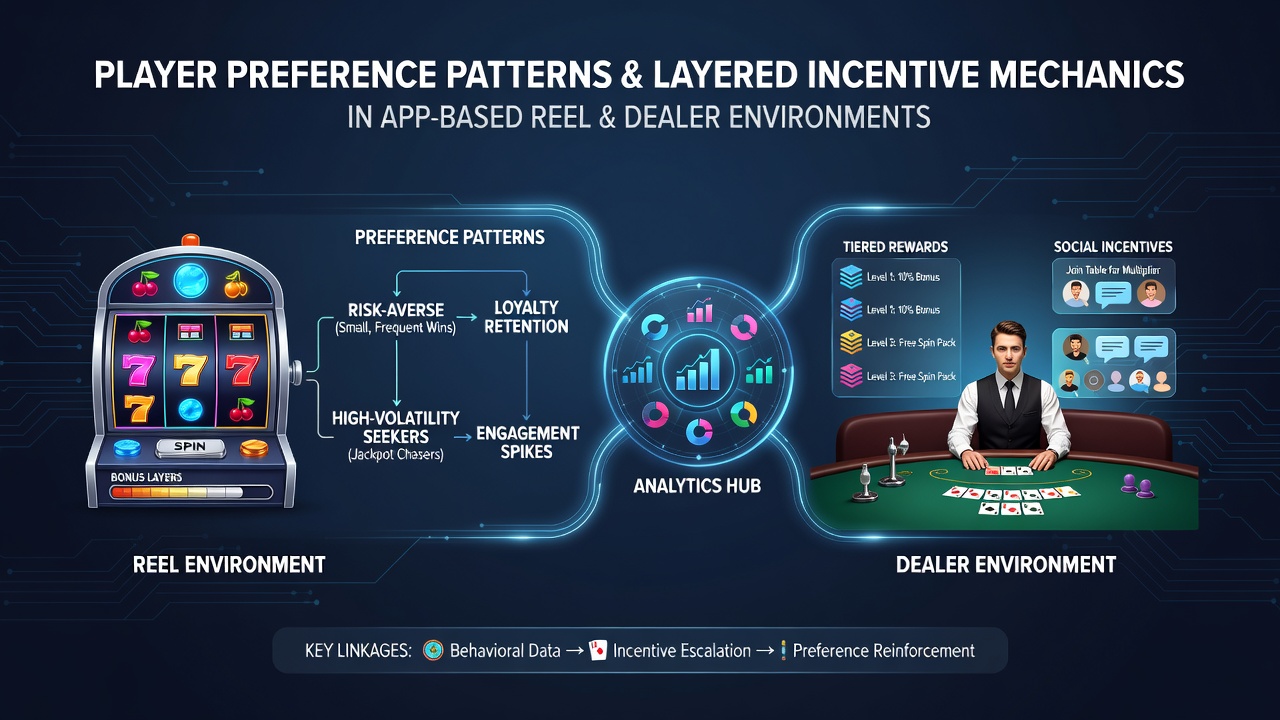
Data from multiple regulatory bodies indicates that layered incentive mechanics in mobile gaming applications drive distinct preference patterns among users who engage with reel-based games and live dealer environments, with patterns emerging around reward frequency, progression systems, and cross-format engagement triggers. Researchers tracking user behavior in app-based platforms note that players often gravitate toward incentives structured in tiers, where initial deposits unlock sequential benefits that extend play across both slot reels and dealer tables, creating measurable shifts in session duration and game selection.
Layered Mechanics in Reel Environments
Reel games in mobile applications typically incorporate incentive layers such as free spin multipliers, progressive jackpots tied to deposit streaks, and loyalty points that convert into additional reel spins or bonus rounds. Studies compiled by the Pennsylvania Gaming Control Board show that players in these environments respond strongly to mechanics where early rewards feed into longer-term progression, with data revealing higher retention rates when free spins accumulate across multiple sessions rather than appearing as one-time offers. Observers note that reel-focused users frequently prioritize incentives that allow customization, such as choosing between cashback percentages or additional spin multipliers, which leads to extended interactions with themed slot titles.
Turnout patterns indicate that August 2026 reports from several North American operators highlighted a 14 percent increase in reel game engagement when layered incentives included daily login streaks that unlocked escalating reel features. Those who analyzed transaction logs found that players who activated the first incentive layer often continued into subsequent tiers, resulting in average session lengths extending by 22 minutes compared to flat reward structures.
Dealer Environment Responses
Live dealer applications present incentive layers centered around table time extensions, bet multipliers during specific rounds, and cashback on losses that accumulate toward future dealer sessions. Figures from the Malta Gaming Authority demonstrate that users in these environments show preference for incentives that bridge real-time interaction with post-session rewards, such as dealer table credits earned through consistent play that can later apply to reel games. Data indicates lower churn when progression systems tie dealer performance metrics, like consecutive wins or high-stakes participation, directly to visible tier advancements displayed within the app interface.
What's interesting is how these patterns diverge from reel preferences, with dealer players more likely to engage incentives that emphasize social elements, including shared bonus pools across live tables. Research indicates that when operators introduced layered rewards combining dealer cashback with cross-game vouchers, participation in live sessions rose steadily through the summer months of 2026.
Cross-Format Preference Shifts
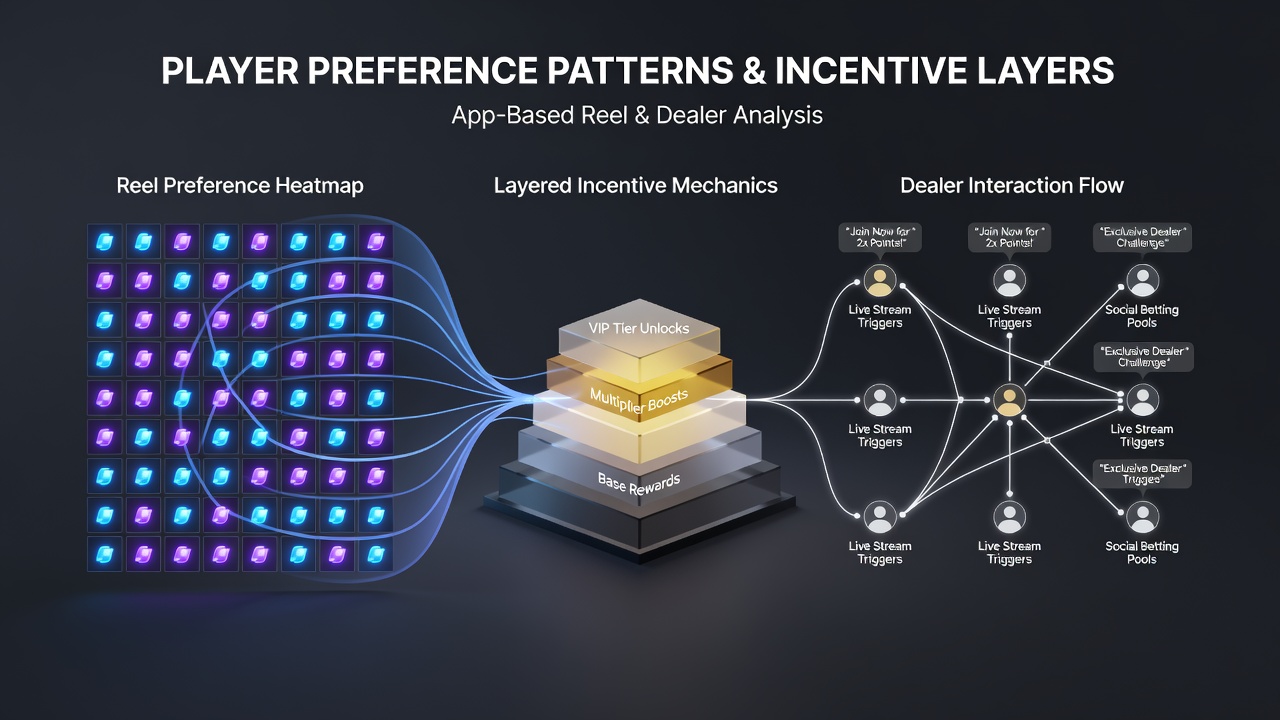
Patterns emerge when users transition between reel and dealer formats under unified incentive structures, as tracked in industry reports from the Australian Communications and Media Authority. Players who begin with reel incentives frequently migrate toward dealer tables once initial layers convert into table credits, creating a documented flow where 38 percent of tracked accounts in one 2026 dataset expanded their activity across both formats within the same week. This migration occurs most reliably when incentive layers include explicit crossover elements, such as reel spin achievements that grant dealer bet boosts or vice versa.
Academic analysis from the University of Nevada's gaming research division supports these observations, showing that layered mechanics reduce format silos by rewarding sequential engagement. Those who reviewed anonymized app telemetry noted that users receiving tiered notifications about upcoming layer unlocks demonstrated 19 percent higher cross-format play rates than those receiving single-game promotions.
Regional Data Trends in 2026
August 2026 updates from regulatory filings across multiple jurisdictions reveal consistent regional variations in how layered incentives influence preferences. North American operators reported stronger reel retention through deposit-matched spin packages, while European platforms recorded elevated dealer engagement when incentives featured time-limited table access tiers. Canadian provincial data further highlighted that players aged 25 to 34 responded most readily to mobile push notifications announcing new incentive layers, leading to measurable increases in both reel spins and dealer session initiations.
These trends align with broader transaction pattern studies that link incentive complexity to sustained app activity, without evidence of format dominance in any single region.
Conclusion
Current evidence from regulatory filings and academic sources establishes clear connections between layered incentive design and player movement across reel and dealer formats in app-based environments. The documented preference patterns continue to evolve with operator implementations, particularly as mobile platforms refine progression tracking and reward visibility through the remainder of 2026.