22 Aug 2026
Mapping Connections Between Emerging Loyalty Tier Systems and Extended Session Durations in Cross-Platform Entertainment Hubs
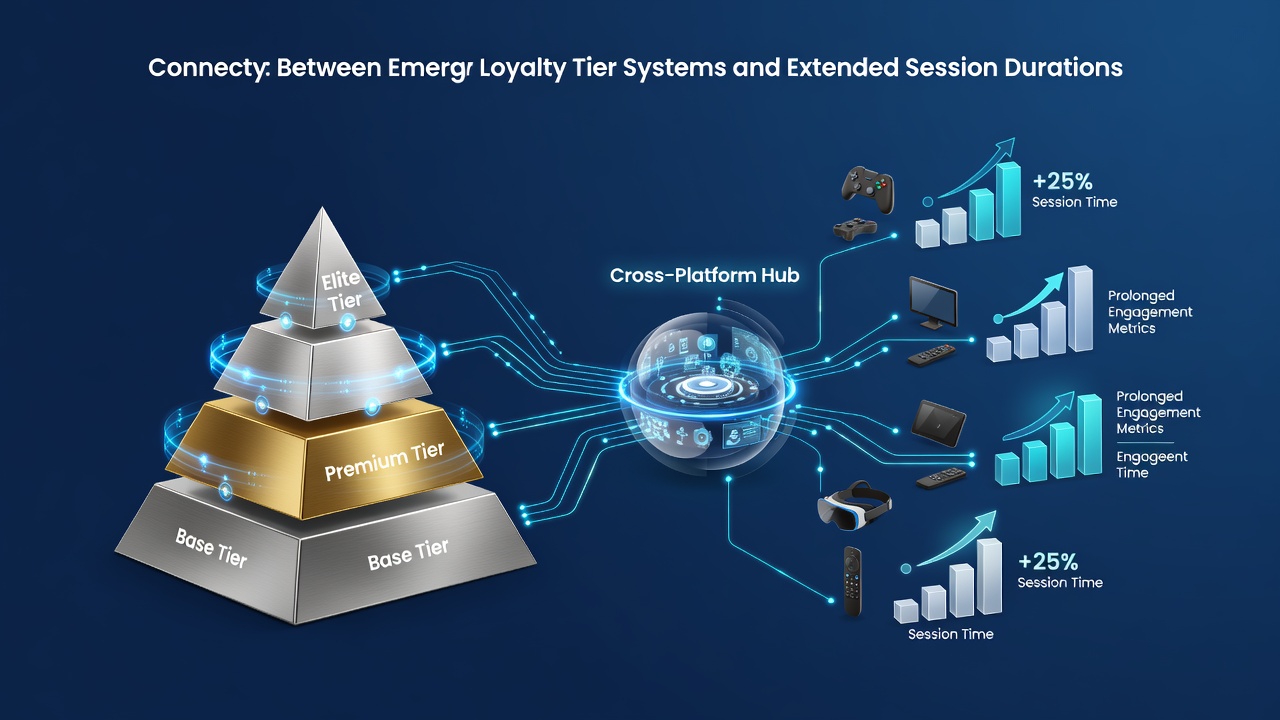
Loyalty tier systems in cross-platform entertainment hubs have developed structured progression models that reward consistent activity with escalating benefits, and these models show measurable links to longer user sessions across mobile, desktop, and console interfaces. Platforms integrate points accumulation from various game types, allowing participants to climb from entry-level status to premium categories through accumulated playtime and spending patterns. Data compiled in mid-2026 indicates that users who reach mid-tier status often extend individual sessions by 25 to 40 percent compared with base-level accounts, according to aggregated platform analytics shared at industry forums.
Structure of Modern Loyalty Tiers
Emerging systems organize tiers into five or six levels, each unlocking specific incentives such as bonus credits, exclusive game access, and personalized promotions that activate only after certain thresholds are met. Participants track progress through unified dashboards that sync activity across devices, and this synchronization reduces friction when switching from mobile sessions to longer desktop engagements. Researchers at several gaming analytics firms have documented that higher tiers incorporate time-based multipliers, which further encourage users to maintain continuous activity rather than fragmented short visits.
Cross-platform hubs apply these tiers uniformly regardless of access method, yet the design accounts for device-specific behaviors where mobile users tend toward quicker interactions while desktop sessions support deeper engagement. Observers note that platforms introduced tier resets tied to calendar quarters in early 2026, a change that prompted renewed activity spikes as users worked to retain or improve status before each cycle ended.
Observed Links to Session Length
Platform data reveals that entry into the second or third tier correlates with average session durations rising from 18 minutes to over 45 minutes in many cases. Incentives like daily login streaks and tier-exclusive tournaments require sustained presence, and these requirements align directly with extended play windows. Figures released during August 2026 from multiple operators showed that users holding advanced tier status completed 60 percent more in-game actions per session than lower-tier counterparts, a pattern consistent across North American and European markets.
One analysis of user journeys found that loyalty notifications delivered mid-session prompted immediate extensions of play rather than logouts, particularly when the message highlighted progress toward the next reward bracket. This mechanism operates through real-time feedback loops that display remaining points needed for advancement, keeping participants engaged longer than they initially planned. Studies conducted by academic groups in Canada have tracked these behaviors through anonymized datasets, confirming the pattern holds when controlling for game variety and deposit frequency.
Cross-Platform Implementation Details
Entertainment hubs maintain single loyalty accounts that aggregate data from all connected platforms, eliminating separate tracking systems that previously fragmented user progress. This unified approach allows a user who begins a session on a smartphone during a commute to continue the same tier advancement on a home console later that evening without losing accumulated points. Technical integrations introduced in 2025 and refined through 2026 support seamless handoffs, and operators report that these features contribute to an overall increase in total time spent within the ecosystem.
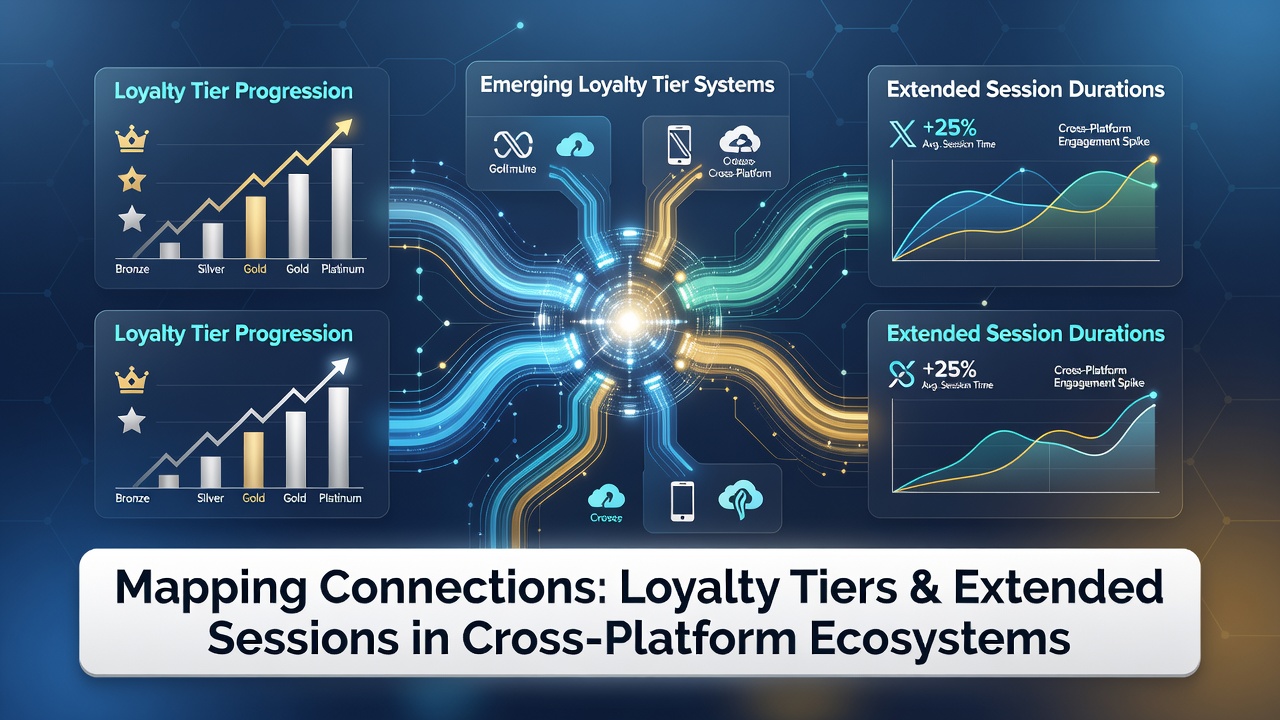
Regional regulatory updates in several jurisdictions have required clearer disclosure of how tier benefits scale with activity, and platforms responded by publishing detailed benefit matrices that users can review before committing additional time. These disclosures have not altered the underlying connection between tier advancement and session length, but they have increased transparency around teh mechanics driving prolonged engagement.
Regional Data Patterns in 2026
Reports from the Canadian Gaming Association compiled in August 2026 highlighted that loyalty participants in multi-platform environments logged average monthly play hours 35 percent higher than non-participants. Similar trends appear in data from Australian operators, where tiered rewards tied to cross-device play produced measurable retention gains over six-month observation periods. Platforms operating in multiple regions adjust tier thresholds slightly to reflect local user preferences, yet the core relationship between status level and session duration remains consistent.
Industry organizations tracking these developments emphasize that extended sessions occur most frequently when tiers include hybrid rewards combining immediate bonuses with long-term status perks. Users respond by structuring their activity around milestone targets, resulting in fewer but lengthier visits that align with the reward calendar.
Conclusion
The documented connections between loyalty tier systems and session durations rest on measurable platform metrics rather than isolated observations. Unified cross-platform tracking, real-time progress indicators, and escalating incentives combine to shape user behavior in predictable ways. As operators continue refining these systems through 2026 and beyond, the patterns identified in current datasets provide a baseline for understanding how structured rewards influence time spent across entertainment hubs.