20 Jun 2026
Mapping Behavioral Trends from Payment Choices to Prolonged Engagement Patterns in Emerging Portable Entertainment Platforms
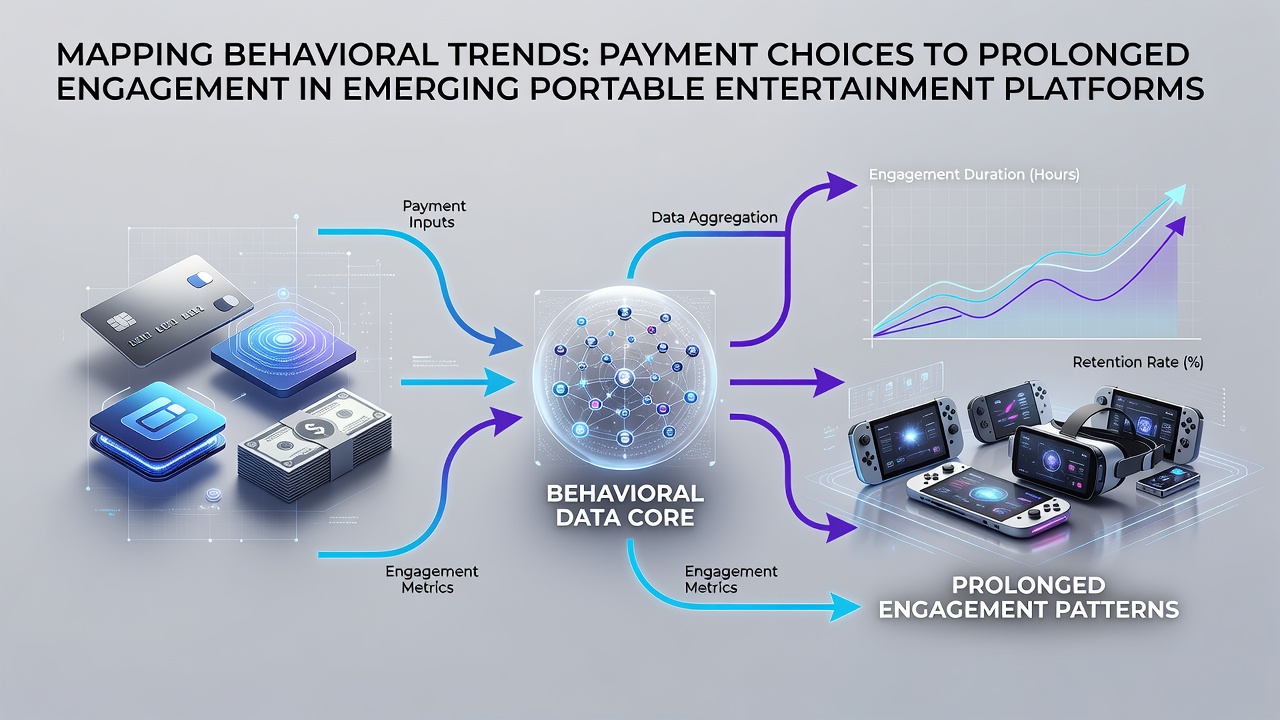
Payment selections made during initial interactions with emerging portable entertainment platforms often correlate with measurable differences in how long users remain active across sessions and over extended periods, according to aggregated platform analytics and industry reports. Observers note that these patterns emerge as users navigate mobile applications and browser-based interfaces that support gaming, streaming, and interactive content delivery. Researchers have tracked how deposit or transaction methods influence subsequent behaviors, including session frequency and total time spent within applications launched in recent years.
Payment Method Categories and Initial User Actions
Users typically choose from several transaction types when accessing new portable platforms, including bank transfers, digital wallets, card payments, and in some regions cryptocurrency options. Data shows that instant confirmation methods frequently lead to quicker entry into core activities, while slower verification processes can extend the time between signup and first engagement. Those who've studied user flows at platforms debuting since 2024 report that digital wallet selections often coincide with higher rates of repeat logins within the first 48 hours, whereas traditional bank methods show steadier but less immediate activity spikes. In June 2026 several new mobile-first platforms introduced streamlined onboarding that reduced friction for certain payment types, allowing analysts to compare engagement metrics before and after these updates.
Tracking Prolonged Engagement Through Behavioral Metrics
Prolonged engagement manifests through repeated sessions, multi-hour daily usage, and transitions between different content sections within the same application. Platform operators collect anonymized data on session length, feature exploration depth, and retention intervals measured in days or weeks. Evidence suggests that users opting for recurring or subscription-linked payments demonstrate more consistent activity patterns over multi-week periods compared to one-time transaction users. One study revealed that mobile entertainment applications incorporating flexible payment reminders experienced measurable upticks in average session durations during promotional windows, while those relying solely on manual reloads saw steadier but lower overall time commitments from participants.
Regional Variations in Observed Patterns
Geographic differences appear in how payment preferences align with engagement longevity. North American markets have shown stronger correlations between integrated mobile banking options and extended daily usage, while European and Asian user bases display varied responses depending on local banking infrastructure and regulatory environments. According to reports from the American Gaming Association, mobile platform growth in regulated U.S. states during early 2026 included shifts toward payment methods that support seamless in-app top-ups, coinciding with higher retention figures among users who completed multiple transactions within their first month. Australian data sources similarly highlight how instant payment rails contribute to sustained interaction rates across portable entertainment offerings.
What's interesting is how these trends intersect with platform design choices. Developers increasingly embed payment interfaces directly into user journeys, reducing the steps required to maintain activity. This integration appears to support longer continuous play periods, particularly when users select methods that allow background processing without interrupting navigation. Observers note that platforms launched in 2025 and 2026 often test multiple payment configurations simultaneously, generating comparative datasets that map specific method types to engagement curves.
Analytical Approaches to Mapping Connections
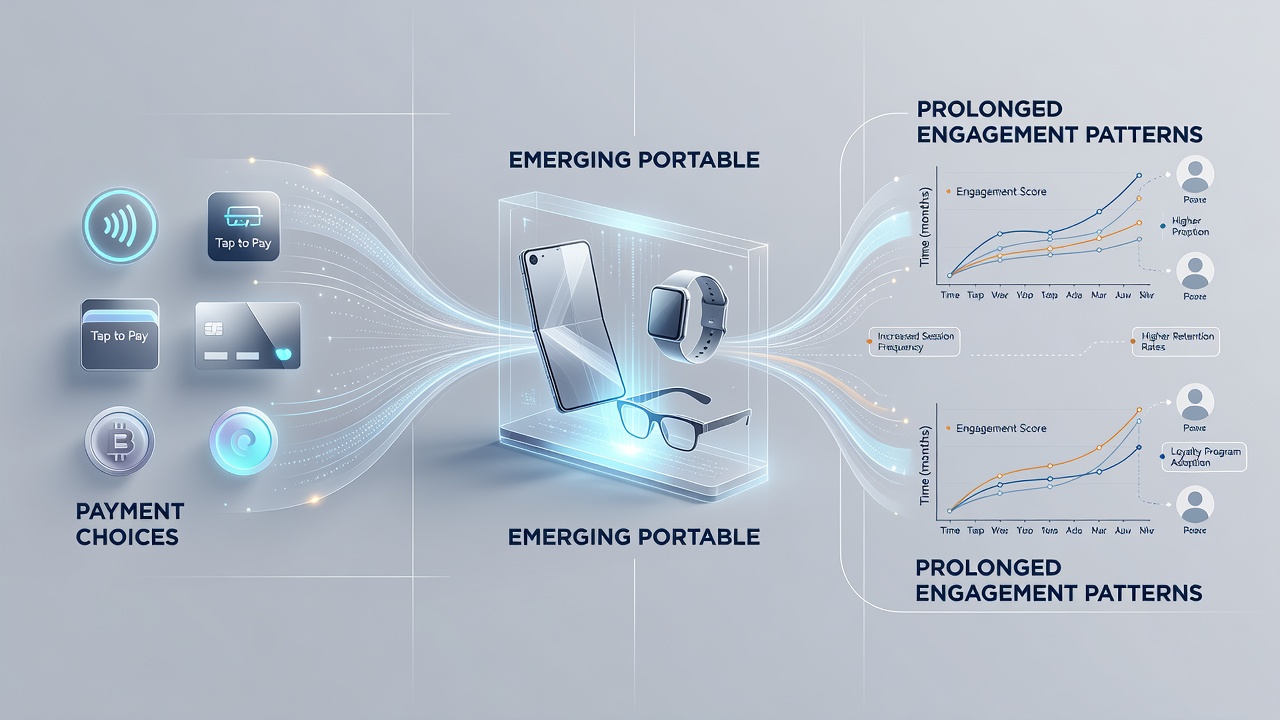
Analysts employ cohort tracking and funnel visualization to connect payment entry points with later behavioral outcomes. These methods segment users by initial transaction type and then monitor subsequent metrics such as login frequency, content variety accessed, and cumulative time on platform. Research from the UNLV International Gaming Institute indicates that certain payment pathways correspond with higher probabilities of users progressing from single-content exploration to multi-feature engagement within portable applications. The reality is that these mappings help platform teams adjust interface elements and notification timing to align with observed user tendencies, though results vary by content category and device type.
Additional factors include device operating systems, network conditions, and promotional timing, all of which interact with payment choices to shape engagement trajectories. For instance, users completing transactions on high-speed connections often exhibit extended initial sessions, regardless of the specific payment method selected. Data collected through mid-2026 continues to refine these understandings as new portable platforms enter the market and existing ones update their transaction flows.
Conclusion
Behavioral mapping between payment selections and engagement duration provides platform operators with structured insights into user retention dynamics across emerging portable entertainment environments. Aggregated findings from multiple regions demonstrate consistent yet context-dependent relationships that evolve alongside technological and regulatory changes. Continued monitoring through June 2026 and beyond will likely yield further refinements in how these connections are understood and applied within the sector.