17 Aug 2026
Licensing Authority Requirements and Game Selection Diversity in App-Based Entertainment Venues
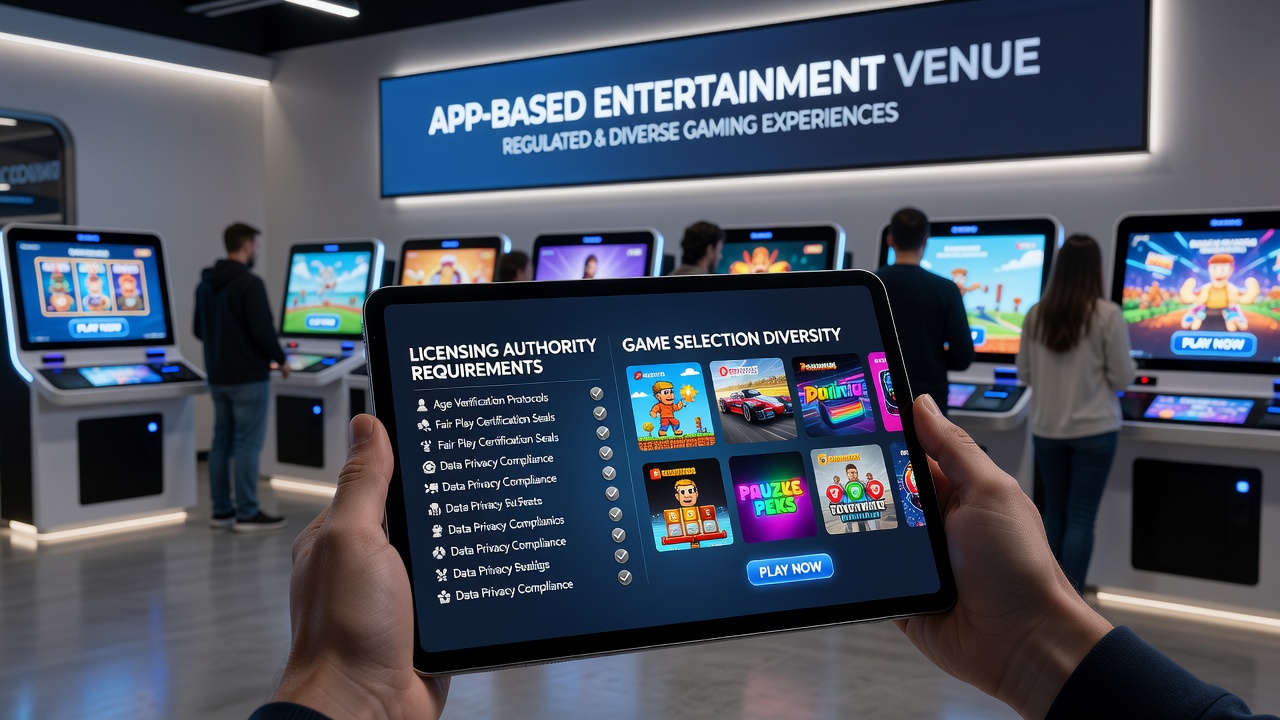
App-based entertainment venues operate under licensing frameworks that set clear standards for operations, player protections, and technical compliance across multiple jurisdictions. These requirements shape how platforms select and offer games while ensuring consistent oversight from regulatory bodies. In August 2026 several states and provinces adjusted their licensing criteria to address expanding mobile markets, creating new benchmarks for both established and emerging operators.
Core Licensing Requirements Across Jurisdictions
Regulatory authorities mandate specific criteria before granting licenses to app-based venues, including background checks on operators, financial solvency demonstrations, and adherence to data security protocols. The Nevada Gaming Control Board requires detailed submissions on software integrity and ongoing audits, while Canadian provincial regulators such as those in Ontario emphasize responsible gaming integrations and transparent payout reporting. Observers note that these standards often extend to third-party testing for random number generators and server stability, which directly influences the types of games that platforms can legally host.
License holders must also maintain records of player activity and implement age verification systems that meet or exceed regional statutes. Data from industry reports shows that compliance with these rules frequently involves annual renewals and surprise inspections, which keep operators accountable. Those who have navigated the process find that meeting these benchmarks opens access to broader markets but demands continuous investment in compliance infrastructure.
How Licensing Shapes Game Selection
Licensing conditions frequently dictate minimum thresholds for game variety, pushing venues toward diversified portfolios that include slots, table games, and live dealer options. Regulators in multiple regions require evidence that platforms offer titles certified by approved testing laboratories, which limits inclusion of unverified content and encourages partnerships with established software providers. This structure results in catalogs that balance high-volume slot offerings with strategic inclusions of skill-based or progressive jackpot games to satisfy both player demand and oversight expectations.
Platforms that secure licenses in multiple territories often adjust their game libraries to align with varying regional preferences and restrictions. For instance, some jurisdictions cap the number of high-volatility titles while others prioritize games with built-in responsible gaming features such as session limits and loss caps. Research indicates that these constraints lead operators to curate selections that maintain engagement without breaching compliance thresholds, creating measurable differences in available content across borders.
Regional Variations and Their Impact
European authorities including the Malta Gaming Authority impose rules on game certification timelines and mandatory reporting on return-to-player percentages, whereas Australian state regulators focus on harm minimization tools embedded directly into game interfaces. These differences mean that a single app may present distinct game selections depending on the user's location, with certain titles restricted or modified to satisfy local licensing conditions. Industry data reveals that operators who maintain separate regional versions of their platforms achieve higher compliance rates and avoid penalties that have affected less adaptable competitors.
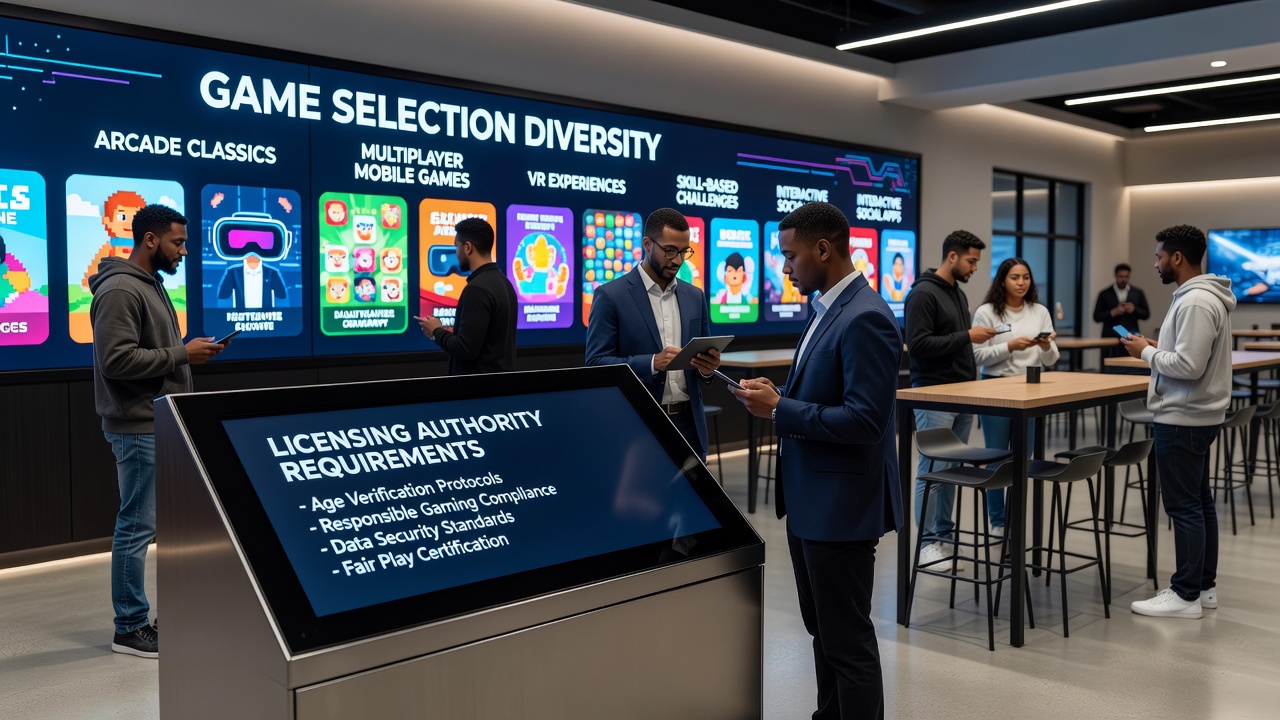
What's interesting is how these variations affect smaller developers seeking entry into the market. They often partner with larger licensed entities to gain distribution, which in turn influences the overall diversity of titles reaching end users. Experts have observed that this ecosystem favors games already vetted through rigorous testing pipelines, reducing the presence of niche or experimental formats in strictly regulated environments.
Technical and Operational Standards
Beyond game content, licensing authorities require robust backend systems that support fair play monitoring and real-time reporting. Venues must demonstrate capacity for handling peak traffic loads while preserving data integrity, a standard that indirectly affects which game engines and graphics packages receive approval. Operators report that integrating these technical safeguards often streamlines the addition of new titles once initial licensing hurdles are cleared, allowing quicker responses to emerging player trends within approved categories.
Cross-border operations introduce additional layers, as platforms licensed in one region may need secondary approvals to serve users elsewhere. This process has become more streamlined in 2026 following mutual recognition agreements between certain U.S. states adn Canadian provinces, yet it still requires careful alignment of game libraries with each authority's specific mandates. Those who have studied the landscape note that successful operators maintain dedicated compliance teams to track these evolving rules and their implications for content strategy.
Conclusion
Licensing authority requirements continue to define the boundaries within which app-based entertainment venues curate their game selections, balancing regulatory compliance with market demands. The interplay between these frameworks and content diversity produces distinct offerings across regions while maintaining core standards for fairness and player protection. As jurisdictions refine their approaches through 2026 and beyond, operators adapt by expanding certified game portfolios that meet both technical specifications and regional preferences, ensuring sustained access to mobile audiences worldwide.