27 Jul 2026
How Sound Design Choices Shape Player Focus During Extended Digital Table Sessions

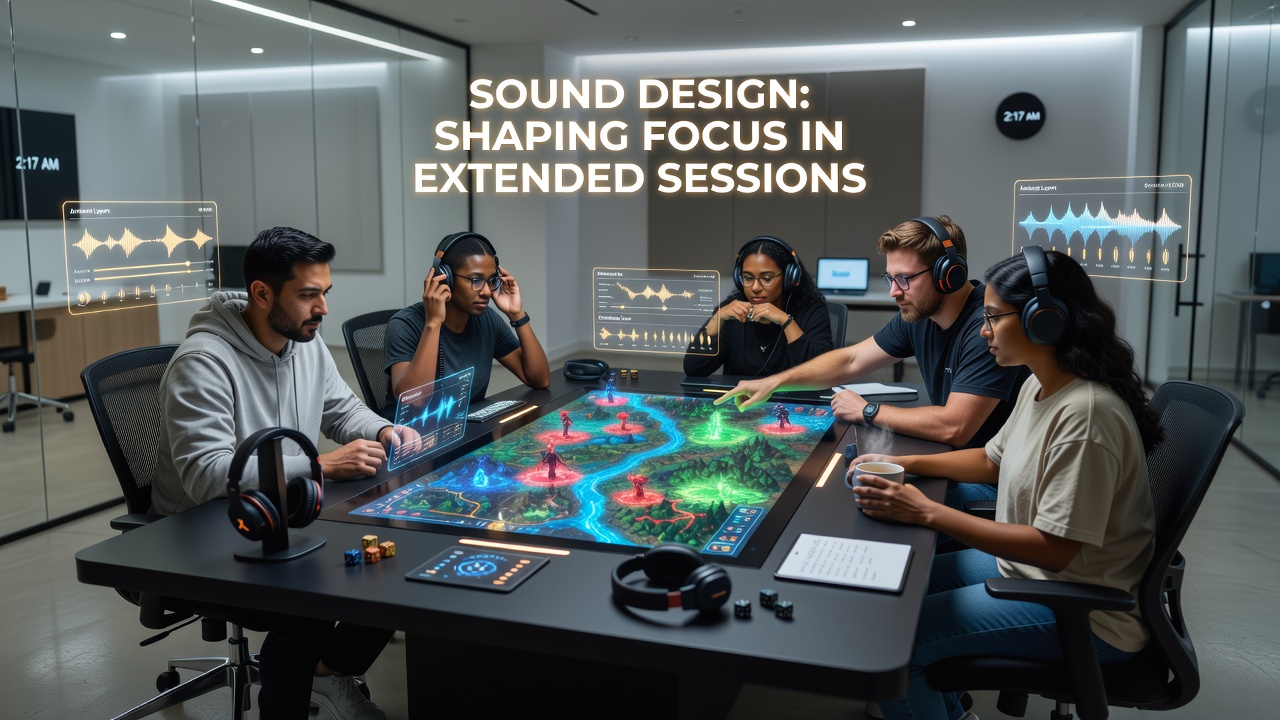
Digital table sessions such as online blackjack, poker, and roulette involve sustained attention across multiple rounds, and sound design plays a measurable role in directing that attention through layered audio elements that respond to player actions and game states. Developers select specific frequencies, tempos, and volumes to align with the pace of play, while background tracks and notification sounds create a consistent auditory environment that players encounter during sessions lasting several hours.
Audio Layers and Attention Patterns
Soundtracks in digital table environments often combine low-frequency ambient tones with higher-pitched event triggers, and research from audio psychology indicates that this combination can help maintain focus by reducing external distractions during extended periods. Studies conducted at universities in Canada have examined how rhythmic consistency in background audio correlates with player retention metrics, showing that steady beats around 60 to 80 beats per minute align with natural heart rates and support prolonged concentration. Event-specific sounds, such as chip stacks or card reveals, use distinct timbres that stand out against the ambient layer, allowing players to register outcomes without shifting visual attention from the table interface.
Volume balancing becomes critical in sessions that stretch past two hours, as data collected from platform analytics in 2025 and into July 2026 revealed that dynamic range compression prevents fatigue from sudden loud cues while preserving clarity for important game events. Engineers adjust these parameters based on session length data, ensuring that notification volumes remain within ranges that support rather than interrupt ongoing decision-making sequences.
Frequency Selection and Cognitive Load
Designers choose mid-range frequencies for interface feedback because these bands transmit clearly through common headphones and speakers without requiring high volume levels, and observations from gaming research groups in Australia note that such selections reduce the cognitive effort needed to process auditory information. High-frequency sounds above 2000 Hz tend to signal wins or bonuses, drawing quick focus, whereas lower tones mark neutral states or waiting periods, allowing the auditory system to filter less critical moments during long sessions.
Adaptive mixing techniques respond to player inactivity by gradually lowering ambient volume, and platform reports from European operators show that this adjustment correlates with fewer session interruptions when players return after brief pauses. The approach avoids abrupt changes that could reset attention, instead maintaining continuity through subtle volume curves that track engagement patterns recorded in user data.
Case Examples from Platform Implementations
One European studio implemented layered soundscapes for its live dealer tables that incorporated subtle room tones from physical casino recordings, and internal metrics indicated that players completed longer sequences of decisions when these ambient layers remained consistent across multiple tables. Another North American operator tested variations in win celebration audio length, finding that shorter cues under three seconds supported quicker transitions between rounds without extending visual dwell time on result screens.
Industry organizations such as the iGaming Ontario have documented audio guidelines that emphasize clarity over intensity, and operators following these recommendations report stable focus metrics across sessions exceeding four hours. These guidelines encourage testing across different device outputs to ensure that mobile players experience the same cue prominence as desktop users, since hardware variations affect perceived loudness and frequency response.
Research Data on Extended Sessions
Academic reviews compiled by research teams in the United States have tracked eye movement and response times during simulated table sessions, revealing that consistent audio cues reduce the frequency of attention lapses after the two-hour mark. Figures from these studies show that players exposed to predictable sound patterns maintained decision accuracy at higher rates compared to control groups without audio support, although individual differences in auditory processing influence the extent of this effect.
Platform data gathered through July 2026 indicates that sessions incorporating adaptive sound design exhibit lower drop-off rates during late-night hours, when external distractions increase for many users. Engineers refine these systems by analyzing clickstream data alongside audio interaction logs, identifying which cue combinations sustain engagement without introducing unnecessary auditory complexity.
Conclusion
Sound design choices in digital table environments operate through specific frequency ranges, volume dynamics, and adaptive layering that interact with player attention over time, and available research from multiple regions continues to map these relationships through performance metrics and session analytics. As platforms collect additional data on extended play patterns, audio configurations evolve to match observed focus requirements across different game formats and device types.