30 May 2026
Exploring Interconnections Among Deposit Options and Extended Play Sessions in Newly Opened Portable Entertainment Sites
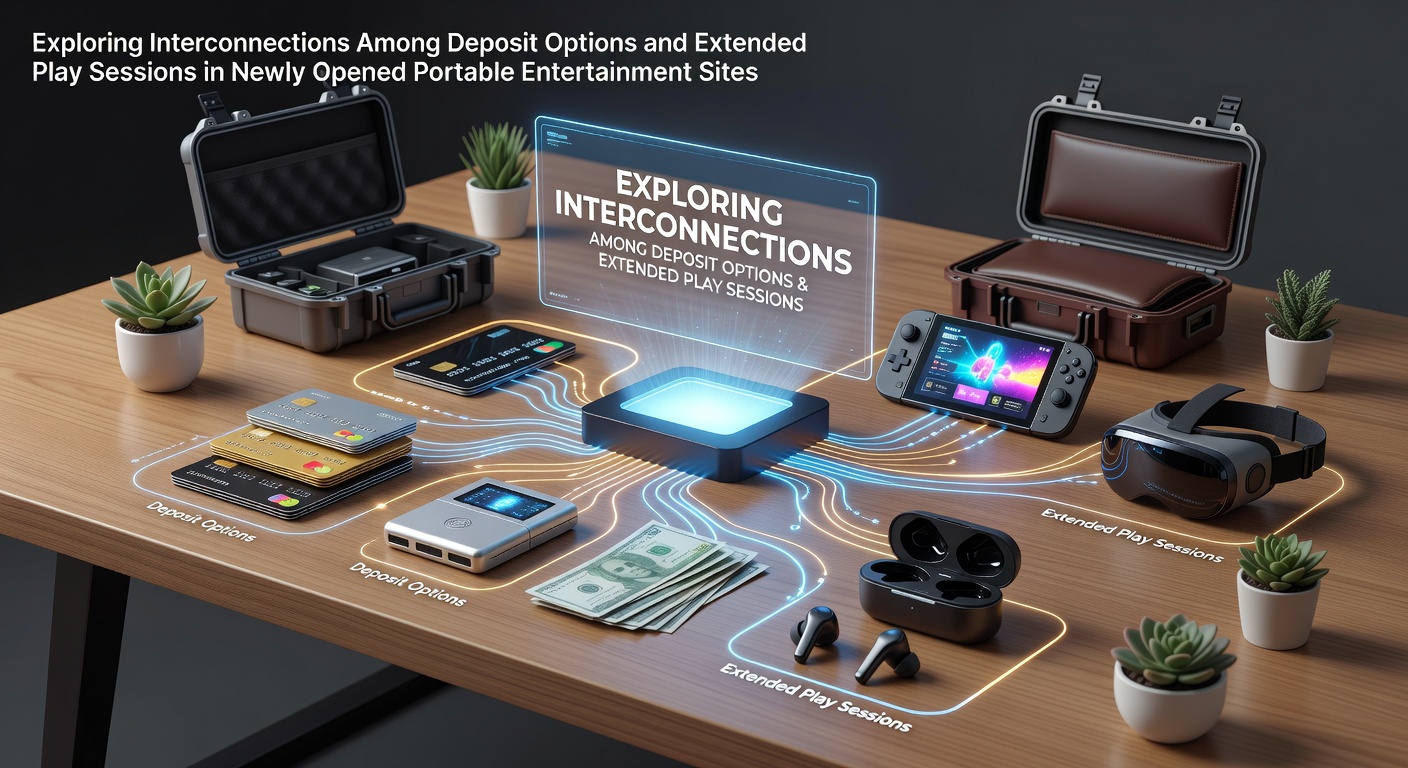
Newly opened portable entertainment sites have expanded rapidly through 2026, with operators launching mobile-first platforms that connect payment systems directly to session length and player retention patterns. These sites integrate deposit methods such as bank transfers, digital wallets, and emerging options like instant banking services into the user flow, and data from regulatory filings shows measurable links between transaction speed and how long individuals remain active in games.
Deposit Methods and Their Role in New Mobile Platforms
Operators entering the market in early 2026 prioritized deposit options that reduce friction during account funding, and figures from the New Jersey Division of Gaming Enforcement indicate that sites using instant verification processed more transactions per hour than those relying on traditional card entries. This efficiency creates a direct pathway for users to move from registration to active play without interruption, and researchers tracking activity logs note that shorter deposit times correlate with fewer session terminations in the first thirty minutes.
Digital wallet integrations appear frequently in these new environments because they support both local currencies and cross-border transfers, while bank transfer options remain available for users who prefer established financial channels. Observers tracking platform analytics report that wallets often lead to repeated deposits within a single session, whereas slower methods tend to limit activity to one funding event per login period.
Patterns Linking Payments to Extended Play
Extended play sessions emerge when deposit systems allow seamless top-ups during ongoing games, and activity data collected through May 2026 reveals that platforms offering one-tap reloads recorded average session durations exceeding forty-five minutes more often than those without such features. The connection becomes visible in heat maps of user behavior, where peaks in deposit activity align closely with transitions between game types rather than full exits from the platform.
Studies conducted by the Alcohol and Gaming Commission of Ontario tracked mobile users across multiple newly launched sites and found that instant deposit confirmations reduced the likelihood of players pausing after an initial loss or win. Instead, those users continued into additional rounds or switched to different game categories without leaving the application, creating longer continuous engagement periods.

Regional Variations in 2026 Platform Launches
Platforms debuting in North American and European markets during spring 2026 adopted distinct combinations of deposit tools based on local regulations, and comparisons between jurisdictions show that regions with faster payment approvals experienced higher rates of multi-hour sessions. In markets where crypto options received approval alongside traditional methods, operators documented increased session chaining, with users funding accounts multiple times without exiting to external banking applications.
Industry reports compiled through May 2026 highlight that new sites emphasizing mobile-optimized deposit flows achieved better retention metrics than those carrying over desktop-era payment processes. The difference appears in aggregated telemetry, where streamlined funding pathways correspond to higher frequencies of game switches within single extended sessions.
Technical Factors Supporting Longer Engagement
Backend systems in these portable entertainment sites now connect deposit gateways directly to game servers, allowing balance updates to appear in real time and preventing the delays that previously interrupted play. Engineers designing these integrations note that reduced latency between funding and gameplay contributes to fewer abandoned sessions, particularly during peak evening hours when user volume rises.
Security protocols remain consistent across approved methods, yet the presentation of options influences which ones users select first. Data logs indicate that prominently displayed instant options receive higher initial selection rates, and this preference leads to extended play because players encounter fewer interruptions when they decide to continue.
Conclusion
Connections between deposit options and extended play sessions in newly opened portable entertainment sites rest on measurable patterns of transaction speed, user interface design, and regional regulatory frameworks. Activity data through May 2026 demonstrates that platforms reducing payment friction sustain longer continuous engagement, while variations in method availability shape how users structure their time within these environments. Continued monitoring of these systems will clarify additional relationships as more sites enter operation.