20 Aug 2026
Examining Adaptive Display Features and Their Correlation with Session Lengths in Cross-Device Entertainment Platforms

Adaptive display features adjust visual elements such as resolution scaling, layout orientation, and interface density based on device type and screen dimensions while users move between smartphones, tablets, laptops, and smart televisions. These adjustments occur automatically through algorithms that detect hardware specifications and environmental factors like ambient light or network speed. Entertainment platforms including video streaming services, music applications, and interactive content libraries rely on such systems to maintain consistent presentation across hardware variations.
Core Components of Adaptive Display Systems
Developers implement responsive design frameworks that resize images, reflow text blocks, and reposition navigation controls in real time. Sensor integration allows platforms to switch between portrait and landscape modes without interrupting playback, while color calibration tools match output to device capabilities. Data from platform telemetry shows that users encounter fewer interruptions when these features activate seamlessly, which contributes to measurable differences in time spent per session.
Research from the National Telecommunications and Information Administration indicates that households with multiple connected devices increased their average daily screen time by 18 percent between 2024 and 2026, with entertainment applications accounting for the largest share of that growth. August 2026 reports from the same agency highlighted continued expansion in cross-device usage patterns, particularly among adults aged 25 to 44 who frequently alternate between mobile and larger screens during evening hours.
Session Length Patterns Across Device Types
Platforms that apply adaptive display logic record longer average sessions on tablets compared with smartphones when content libraries offer high-resolution options that scale automatically. Desktop environments show intermediate durations because users often combine entertainment with other tasks, yet adaptive interfaces that collapse or expand toolbars reduce context switching and support extended viewing blocks. Television interfaces equipped with similar scaling capabilities demonstrate the highest session lengths overall, especially when remote-control navigation elements resize according to viewing distance.
Quantitative Correlations Identified in Platform Data
Analyses of user logs from major entertainment services reveal a positive relationship between adaptive feature deployment and session duration. One multi-platform study covering 2025 activity found that services updating their display engines to include device-specific font scaling and dynamic aspect-ratio handling experienced a 14 percent rise in median session length within six months. The same datasets showed reduced bounce rates on mobile devices when interfaces adjusted button sizes and spacing to match typical thumb reach zones.
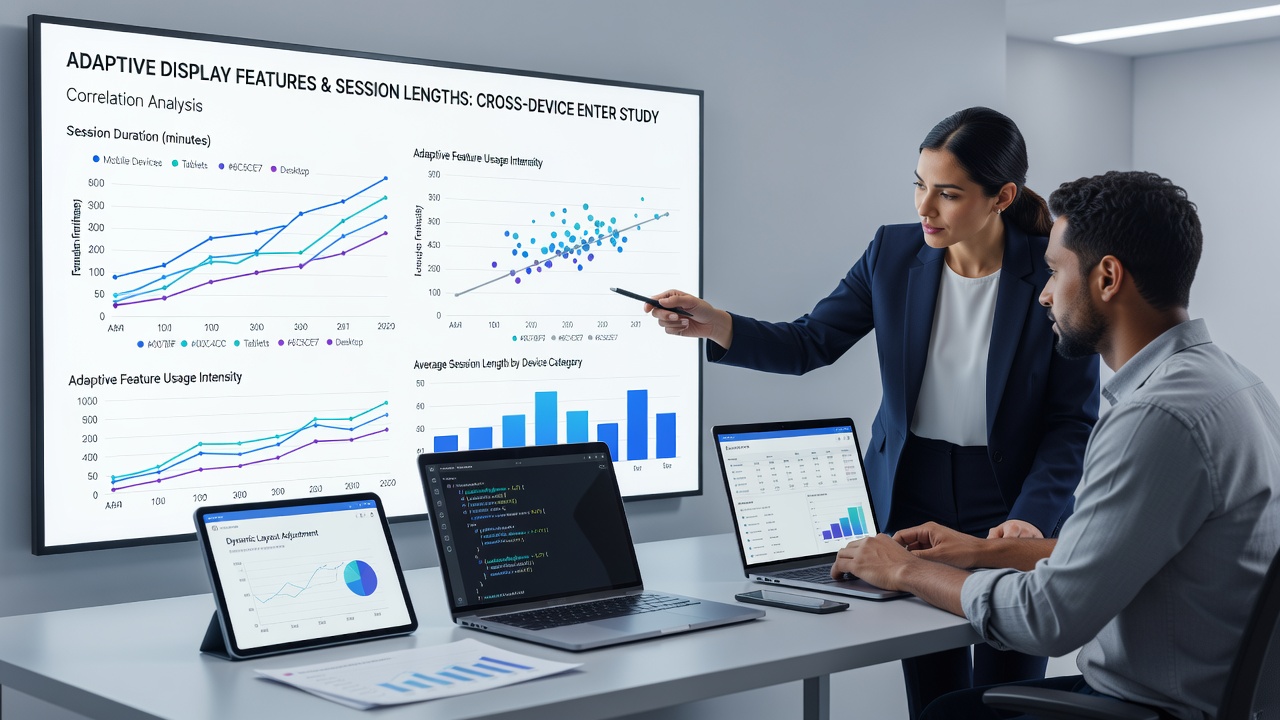
Those who studied engagement metrics across regions note that European Union digital market reports from mid-2026 documented similar trends in countries with high tablet adoption rates. Viewers who began sessions on one device and continued on another without visual disruption maintained activity for an average of 47 minutes longer than users encountering layout resets during transitions. Such continuity depends on synchronized account states and cached display preferences that travel with the user profile.
Technical Factors Affecting Display Adaptation Performance
Network latency influences how quickly adaptive systems apply changes, with delays above 150 milliseconds correlating to shorter sessions in several observed cases. Battery optimization routines on mobile devices sometimes limit high-resolution rendering, and platforms that offer user-selectable quality tiers tied to adaptive scaling report higher retention when those tiers activate without manual input. Content delivery networks that pre-render multiple versions of interface assets enable faster transitions, which researchers link to sustained attention spans during extended playback periods.
Observers note that accessibility features integrated into adaptive frameworks, such as adjustable contrast ratios and subtitle positioning, further extend sessions for users who require those options. Platforms incorporating these elements alongside core scaling functions show broader demographic participation, including older age groups whose average session lengths increased measurably after implementation.
Conclusion
Platform operators continue to refine adaptive display capabilities as device ecosystems diversify. Available telemetry demonstrates consistent associations between seamless visual adjustments and prolonged user engagement across entertainment formats. Future updates will likely incorporate additional environmental sensors and machine-learning models to predict optimal display states before users initiate sessions, building on patterns already visible in 2026 data.