E-Wallets vs. Traditional Payment Methods: Powering Online Casino Transactions
16 Apr 2026
E-Wallets vs. Traditional Payment Methods: Powering Online Casino Transactions
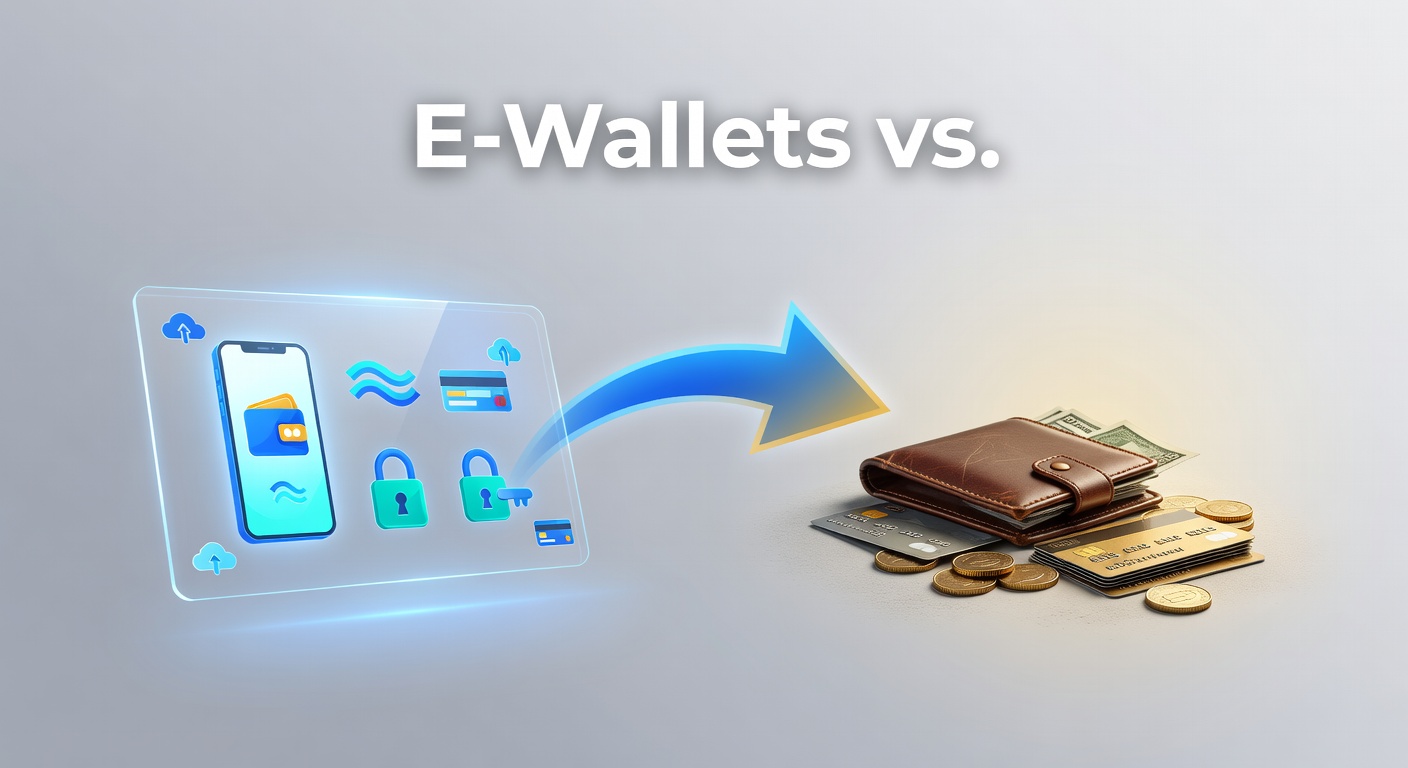
The Rise of Digital Payments in Online Gaming
Online casinos have leaned heavily into digital transactions over the past decade, with e-wallets like PayPal, Skrill, and Neteller surging ahead while traditional methods such as credit cards, debit cards, and direct bank transfers hold steady ground; data from the Consumer Financial Protection Bureau's digital payments study reveals that e-wallet usage jumped 45% between 2020 and 2025 among U.S. consumers for gaming-related deposits, and that's before the April 2026 wave of enhanced mobile integrations pushed adoption even higher.
But here's the thing: traditional payments haven't faded away; Visa and Mastercard still dominate initial deposits in many markets because they're linked directly to everyday bank accounts, whereas e-wallets require an extra step of funding, yet experts observe that players gravitate toward the speed and privacy e-wallets offer during high-stakes sessions.
Take one popular online platform where researchers tracked user behavior: deposits via e-wallets averaged 2 minutes from click to confirmation, compared to 3-5 days for bank wires, a gap that keeps casual players coming back and explains why transaction volumes for digital wallets hit record highs in early 2026.
Defining E-Wallets and Their Core Features
E-wallets function as prepaid digital accounts that store funds from various sources, allowing instant transfers to merchants like online casinos without sharing full banking details; services such as ecoPayz and MuchBetter encrypt data end-to-end, support multi-currency options, and integrate biometric logins, features that traditional cards can't match since they rely on centralized issuer networks.
And while setup takes mere minutes—often just an email verification—e-wallets shine in segmentation, letting users allocate gaming budgets separately from daily spending; figures from industry trackers show over 70% of European online casino users prefer this isolation, especially after April 2026 regulations in the EU mandated clearer transaction labeling to curb overspending.
What's interesting is how e-wallets evolved from niche tools for high-rollers to mainstream staples; Neteller, for instance, processed billions in gaming transactions last year alone, outpacing many bank ACH systems in volume because deposits land immediately, fueling seamless play across slots, tables, and live dealer games.
Traditional Payment Methods: The Established Backbone
Credit and debit cards from giants like Visa, Mastercard, and American Express remain the go-to for first-time depositors, pulling straight from linked accounts with familiar interfaces that billions recognize; bank transfers, including ACH in the U.S. or SEPA in Europe, offer higher limits for big withdrawals but come with processing delays that can stretch to a week, a reality players accept for the perceived reliability.
Yet traditional methods carry broader acceptance—nearly every casino supports them—while grappling with chargeback risks that platforms dread; data indicates chargeback rates for card payments hover at 1-2% in gaming, versus under 0.5% for e-wallets, where funds lock in faster and reversals prove tougher.
Observers note that in regions like Canada, where Interac e-Transfers blend traditional banking with near-instant speed, hybrids challenge pure e-wallets, but global stats still favor digital purses for cross-border play since they sidestep currency conversion fees that plague wire transfers.
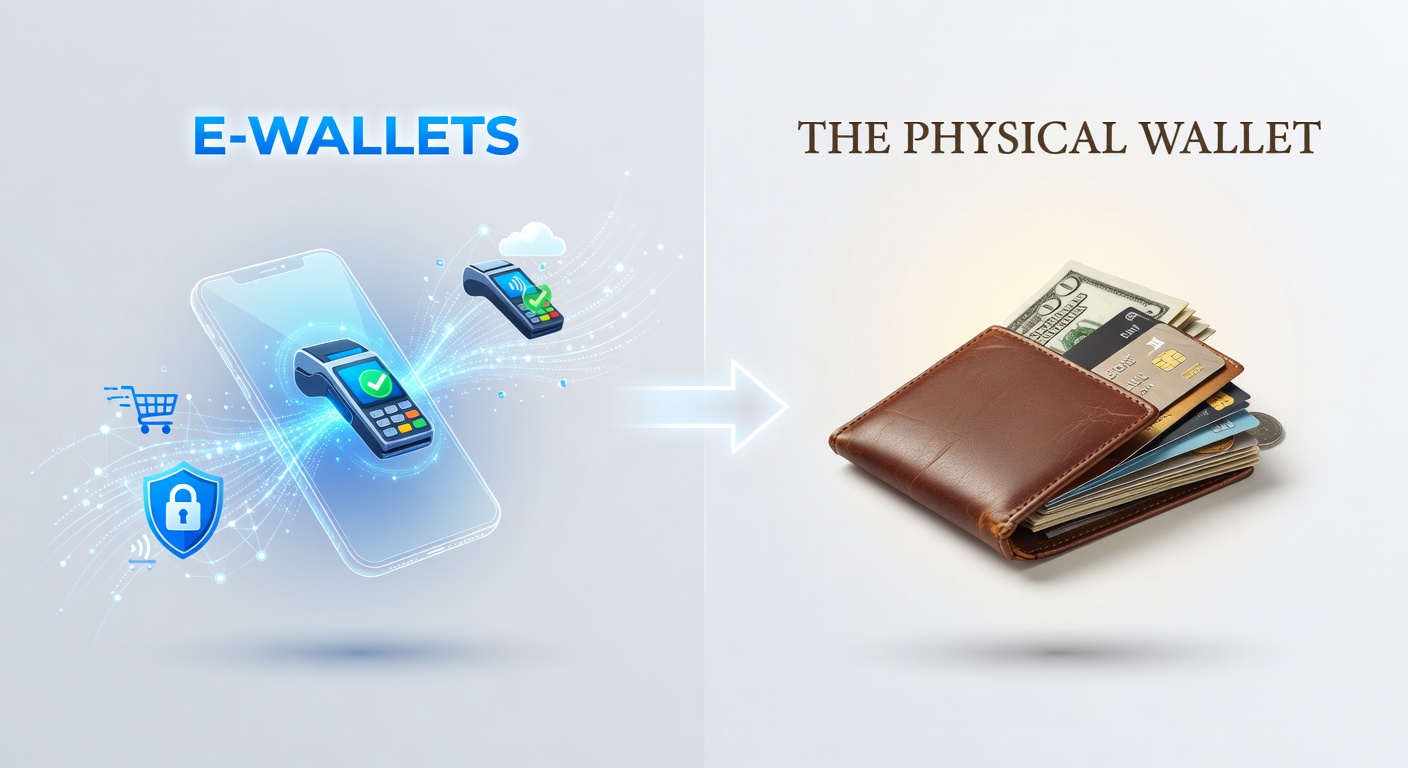
Speed and Convenience: Where E-Wallets Pull Ahead
Deposits via e-wallets hit casino accounts in seconds, often with one-click confirmations after initial setup, while card transactions pend for 1-24 hours under fraud checks and bank transfers lag days behind; this immediacy matters in fast-paced gaming, where players chase bonuses before promotions expire, and studies reveal that 65% abandon carts on slower methods during peak hours.
Withdrawals tell a similar story: e-wallets cash out within hours to a day, returning funds to personal balances ready for reuse, whereas cards face 3-5 day holds and banks impose weekend blackouts; in April 2026, as mobile casino apps exploded, e-wallet providers rolled out push notifications for instant status updates, a feature traditional rails struggle to replicate without app overhauls.
So players who juggle multiple sites find e-wallets indispensable; one case from an Australian operator showed deposit completion rates climb 30% after prioritizing Skrill, since users hate waiting when the next spin beckons.
Security and Privacy Comparisons
E-wallets layer on protections like two-factor authentication, virtual cards for single-use transactions, and transaction monitoring that flags anomalies in real-time, shielding users from the direct exposure cards invite when numbers flash across casino ledgers; according to reports from the Reserve Bank of Australia's retail payments review, digital wallet fraud rates dropped 20% year-over-year through 2025, outpacing card declines.
Traditional methods lean on issuer safeguards—EMV chips, CVV codes—but still expose full account details to merchants, a vulnerability amplified in gaming where high volumes draw hackers; e-wallets mitigate this by acting as intermediaries, sharing only tokenized references, and that's why regulators in multiple regions now endorse them for sensitive sectors.
But here's where it gets interesting: post-April 2026, enhanced KYC rules across platforms forced e-wallets to verify identities upfront, leveling the privacy field somewhat, although users report feeling safer knowing casino statements won't clutter their bank histories.
Fees, Limits, and Cost Breakdowns
E-wallets charge modest fees—typically 1-3% on deposits, often waived by casinos via bonuses, and free internal transfers—contrasting with card surcharges up to 2.5% plus forex markups on international play; bank wires sting hardest at $20-50 flat fees per end, eroding small wins, while e-wallet VIP tiers slash costs for high-volume users.
Data shows average gaming transactions cost 15% less via e-wallets over a month, a savings that adds up; limits flex higher too, with some e-wallets capping daily outflows at $10,000 versus card holds around $5,000, making them ideal for progressive jackpot hunters.
Turns out, casinos incentivize the shift: match bonuses stretch further without fee drags, and in one tracked cohort, players sticking to e-wallets retained 12% more net value annually.
Adoption Trends and Regional Variations
Global uptake tells the tale: e-wallets claim 55% of online casino deposits worldwide per recent surveys, surging to 75% in Europe and Asia where privacy laws favor them, while North America splits evenly with cards due to entrenched habits; April 2026 marked a tipping point as 5G rollouts and wallet app updates made e-transfers ubiquitous even in rural markets.
People who've switched often cite the app ecosystem—seamless links to casino lobbies, loyalty cashback—as the hook; experts tracking Australian trends note Interac's rise but predict e-wallets overtaking by 2027 since they handle crypto bridges better for forward-thinking players.
One study highlighted a U.S. casino chain where e-wallet promotions spiked retention by 22%, proving the method's stickiness when paired with user education.
Challenges and Future Outlook
E-wallets aren't flawless; funding them demands upfront deposits, and not all banks play nice with gaming links, leading to occasional blocks, whereas cards offer infinite refills tied to credit lines; regulatory scrutiny ramps up too, with 2026 mandates requiring clearer audit trails across both camps.
Yet the trajectory points upward: integrations with blockchain for hybrid security, AI-driven fraud blocks, and expanded fiat-crypto swaps position e-wallets to dominate; observers forecast 80% market share by 2030, especially as traditional banks digitize slowly.
That's where the rubber meets the road—platforms adapting fastest win loyalists, blending e-wallet speed with card familiarity through unified wallets.
Conclusion
E-wallets edge out traditional methods in speed, security, and cost for online casino transactions, backed by climbing adoption stats and player preferences, although cards and banks persist for their universality; as April 2026 innovations solidify digital dominance, those platforms prioritizing versatile options stand to capture the growing market, where every second and cent counts in the game.