15 Jun 2026
Cross-Border Regulatory Shifts Reshaping Bonus Structures in Portable Entertainment Platforms
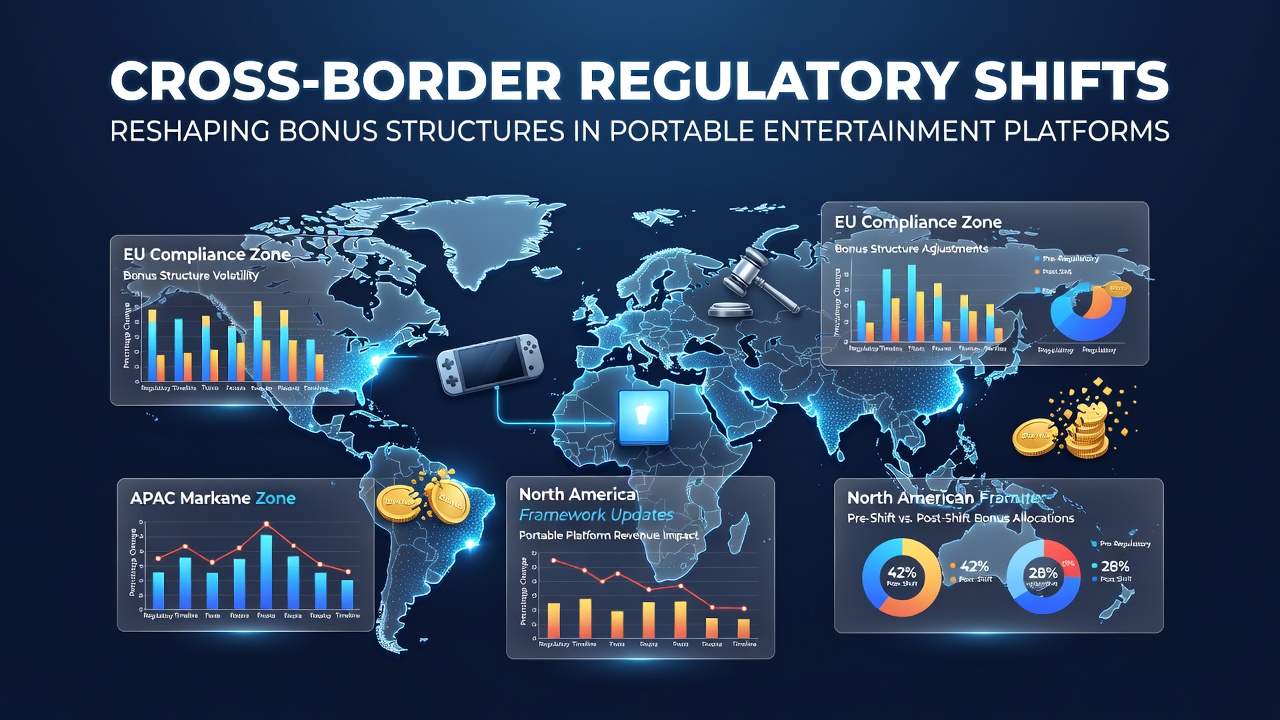
Portable entertainment platforms have expanded rapidly across multiple jurisdictions, and regulatory bodies in different regions continue to adjust rules that directly influence bonus offerings within mobile applications and digital gaming services. These adjustments often stem from efforts to standardize consumer protections while addressing revenue collection and market access requirements that vary from one country or territory to another.
Understanding the Scope of Portable Entertainment Platforms
Operators deliver slot games, table games, and live dealer experiences through smartphone and tablet applications, which means bonus structures such as deposit matches, free spin allocations, and loyalty rewards must comply with rules enforced where users reside and where companies hold licenses. Data from industry reports shows that cross-border user bases create compliance layers because a single promotional campaign may reach players under several regulatory frameworks simultaneously.
Recent Regulatory Adjustments and Their Timing
Authorities in Canada and parts of Europe implemented updated guidelines on promotional mechanics during 2025, with additional measures scheduled to take effect in June 2026 in select Canadian provinces that require clearer disclosure of wagering requirements attached to any bonus. These changes align with broader efforts to reduce discrepancies between domestic and international operators while ensuring that bonus terms remain transparent regardless of a player's location. Observers note that similar updates in Australian states have introduced caps on bonus values tied to deposit amounts, creating ripple effects for platforms that serve users across the Pacific region.
Research from academic institutions indicates that these layered requirements have prompted operators to segment bonus eligibility based on user IP addresses and account registration details. Figures from regulatory filings reveal that platforms operating in multiple markets now maintain separate promotional pools to avoid conflicts with stricter jurisdictions.
How Bonus Structures Are Being Modified
Bonus structures traditionally featured high-percentage deposit matches and extended free spin packages, yet regulators have introduced limits on the maximum value that can be offered without triggering additional licensing reviews. In several European markets, authorities now require that any bonus exceeding a defined threshold must include independent audits of game fairness and payout percentages before promotion to users. Operators have responded by reducing the face value of welcome offers while extending the duration of ongoing loyalty programs that accumulate smaller rewards over time.
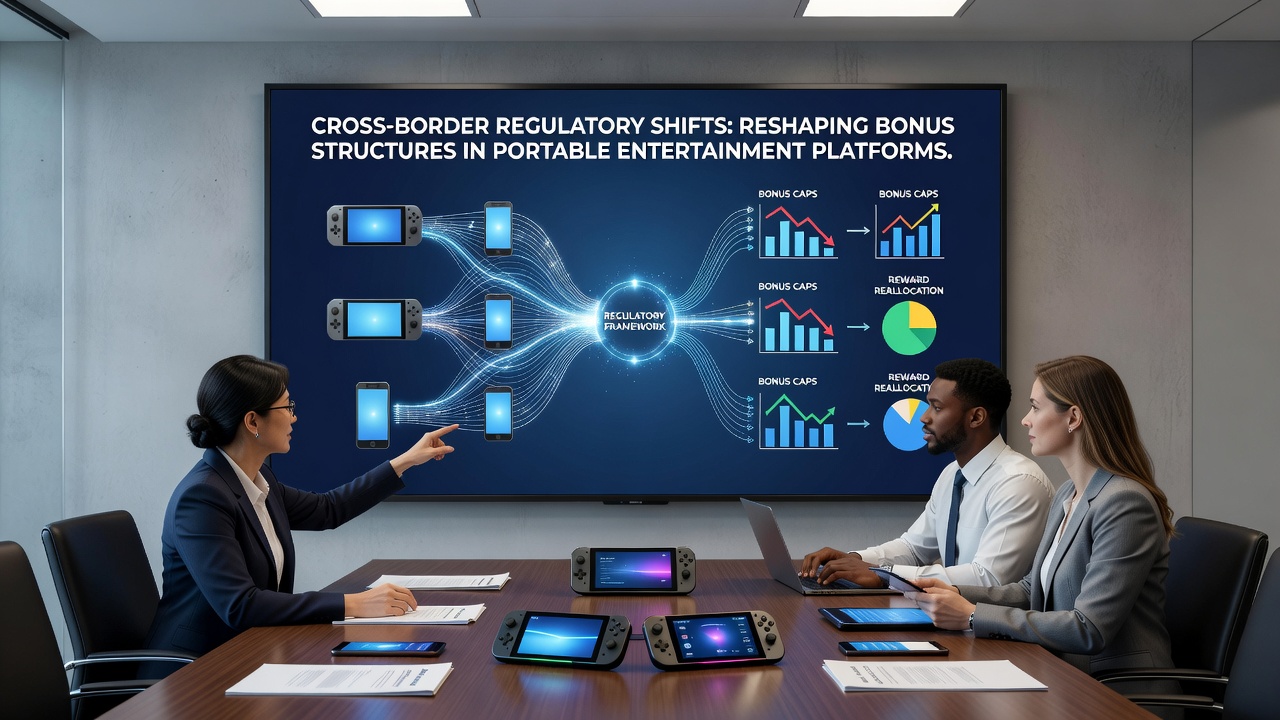
Platform teams have also altered the mechanics of free spin bonuses to reflect new rules on game weighting and contribution toward wagering targets. Data collected by industry associations shows a measurable shift toward bonuses that apply across a broader range of game types rather than being restricted to specific slots, because certain jurisdictions now mandate equal promotional access across categories. This adjustment has required developers to recalibrate backend systems that track player progress across borders.
Regional Variations Driving Platform Adaptations
North American regulators have introduced state-by-state differences in how bonuses may be advertised within applications, while Asian markets have focused on restrictions concerning bonus rollover periods and maximum withdrawal caps tied to promotional funds. Operators managing portable platforms therefore maintain dynamic rule engines that apply the most restrictive applicable standard to each user's session. Studies conducted by university research groups have documented that these engines reduce the frequency of bonus disputes because terms are presented consistently with the user's registered jurisdiction from the moment of account creation.
One notable development involves partnerships between platform providers and local compliance consultants who supply jurisdiction-specific templates for bonus language. These collaborations have become more common since mid-2025 as companies prepare for the June 2026 updates in Canadian markets. Reports from trade organizations indicate that training programs for customer support teams now emphasize explaining cross-border bonus differences to users who travel or relocate.
Operational Changes Within Development Teams
Engineering groups working on portable entertainment platforms have integrated geolocation checks at the point of bonus activation rather than at registration alone. This approach allows real-time application of the correct promotional rules even when users cross regulatory boundaries during travel. Evidence from technical white papers suggests that such measures have lowered the rate of bonus-related account reviews while preserving overall engagement metrics across different regions.
Marketing departments now coordinate with legal teams earlier in campaign planning cycles to ensure that creative assets comply with disclosure requirements that differ by market. Internal records from several major operators show that review timelines for bonus promotions have lengthened, yet the resulting campaigns reach wider audiences because they satisfy multiple sets of rules simultaneously.
Conclusion
Cross-border regulatory shifts continue to influence how bonus structures function within portable entertainment platforms as authorities refine rules around transparency, value caps, and eligibility. Operators respond through segmented promotions, updated technical controls, and closer coordination between compliance and product teams. The adjustments scheduled for June 2026 in certain Canadian provinces will likely accelerate these patterns as platforms refine systems to maintain consistent user experiences across jurisdictions. Data from regulatory filings and academic studies indicates that these changes have produced more standardized disclosure practices while preserving the availability of promotional incentives in markets where they remain permitted.