8 Sep 2026
Correlations Between Transaction Habits and Game Variety Preferences in Novel Online Entertainment Services
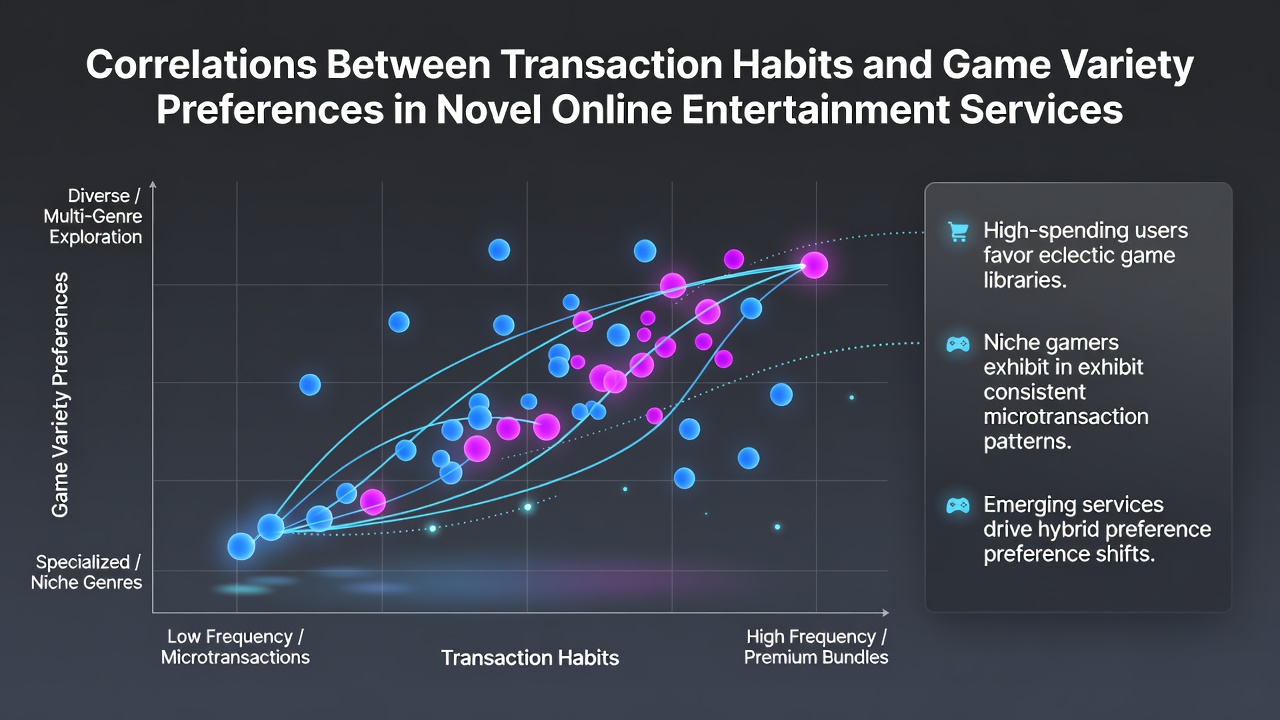
Transaction habits in new online entertainment services continue to show measurable connections with the types of games users select, according to aggregated platform data collected through 2026. Observers note that payment method choices often align with preferences for slots, table games, live dealer options, or hybrid formats across mobile-first sites launched in recent years.
Researchers tracking user behavior in these environments report that credit card deposits frequently correspond with extended sessions on table game variants, while e-wallet transactions appear more common among players rotating through slot libraries. These patterns emerge consistently in data sets from platforms operating under multiple regulatory frameworks, including those monitored by state-level bodies in the United States and oversight agencies in Australia.
Payment Methods and Observed Game Selections
Studies of transaction logs from newly established services reveal that users initiating deposits via bank transfers tend to favor games with higher minimum stakes, such as certain live dealer roulette or blackjack tables. In contrast, cryptocurrency payments show stronger associations with instant-play slot titles that allow rapid session starts and frequent small wagers. Platform operators document these trends through internal analytics that segment users by deposit type and subsequent game engagement metrics.
Data collected during the first half of 2026 indicates that debit card users split their activity more evenly across categories, though they demonstrate slightly elevated participation in progressive jackpot slots compared to other groups. Those who employ prepaid vouchers display shorter overall play durations yet higher variety within single sessions, often sampling three or more distinct game types before logging off. Such distributions hold across services that entered markets after regulatory updates in 2025.
Deposit Frequency Patterns and Variety Exploration
Users making multiple smaller deposits within a seven-day window exhibit broader game exploration than those completing single larger transfers. Analytics from several novel platforms show this group samples live dealer formats alongside traditional slots at rates approximately 25 percent higher than infrequent depositors. The pattern appears independent of total spend amounts, focusing instead on the rhythm of funding activity.
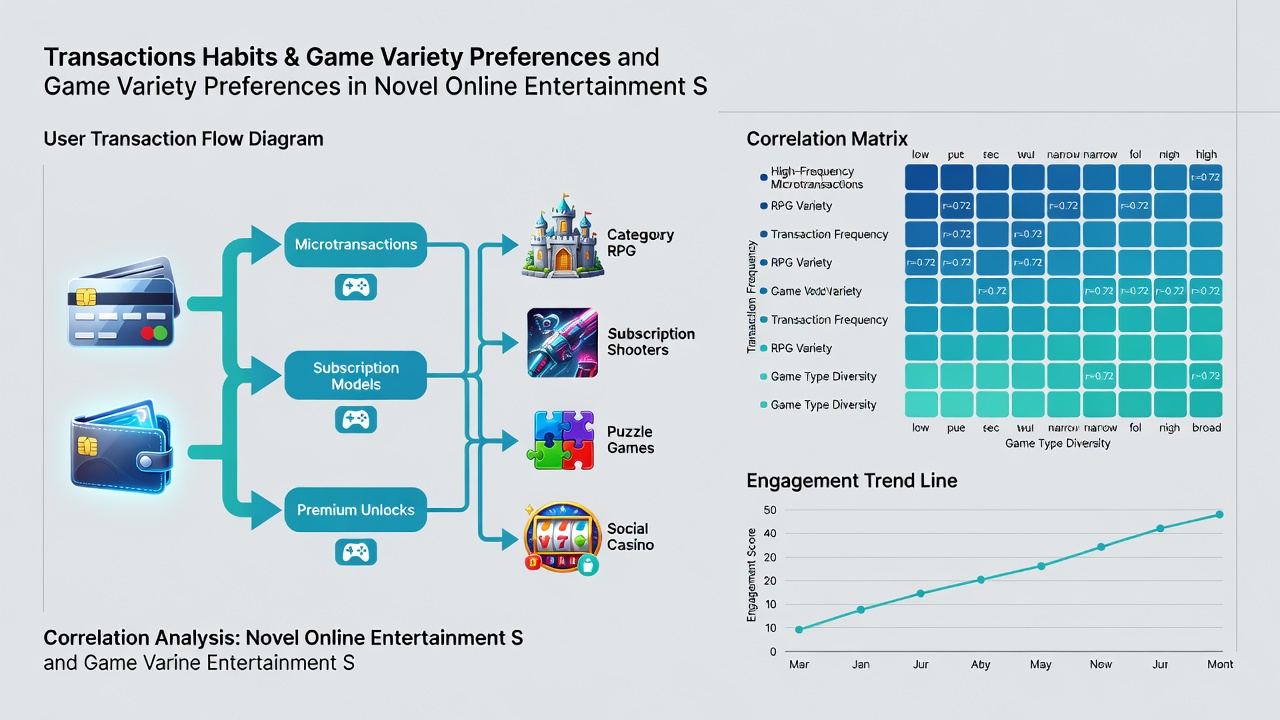
September 2026 figures from integrated reporting systems further highlight that weekly deposit users maintain steadier engagement across game libraries, including emerging hybrid titles that blend slot mechanics with table game elements. Single-deposit users, by comparison, concentrate activity within one or two categories, particularly during initial account activity periods. These observations stem from anonymized behavioral datasets shared among industry participants for benchmarking purposes.
Regional and Platform-Specific Trends
Geographic differences surface in how transaction habits intersect with preferences. Platforms serving North American markets record stronger links between digital wallet usage and live dealer participation, while services popular in Asia-Pacific regions note cryptocurrency deposits pairing more often with slot-heavy portfolios. Australian regulatory summaries from mid-2026 reference similar segmentations within licensed operators, emphasizing the role of local payment infrastructure in shaping these correlations.
Novel services that incorporate instant withdrawal options alongside deposits report amplified variety among users who complete round-trip transactions within the same day. Data indicates this subgroup engages with an average of 4.2 distinct game categories per week, exceeding figures for users relying on slower processing methods. Cross-platform comparisons continue to validate these associations despite variations in bonus structures and interface designs.
Implications for Platform Development
Developers of recent online entertainment services apply these observed correlations when designing onboarding flows and recommendation engines. Services that tailor initial game suggestions based on the first deposit method demonstrate higher retention rates in aggregated industry reports. For instance, directing bank transfer users toward table game sections yields measurable increases in session depth according to internal A/B testing results shared at sector conferences.
Academic analyses from research institutions examining digital gaming ecosystems echo these platform findings, noting that transaction metadata serves as a reliable predictor of variety-seeking behavior when combined with session duration variables. Such studies draw from datasets spanning multiple jurisdictions and emphasize the value of granular payment tracking for understanding user navigation patterns in emerging environments.
Conclusion
Correlations between transaction habits and game variety preferences persist across novel online entertainment services, supported by consistent data streams through September 2026. Payment method selections, deposit frequencies, and regional infrastructure factors each contribute distinct signals that operators and researchers continue to monitor. These patterns inform ongoing refinements in how services present options to diverse user segments without altering underlying regulatory compliance requirements.