16 May 2026
Analyzing the Synergy Between Mobile Compatibility and Live Gaming Features in Recently Established Casino Environments
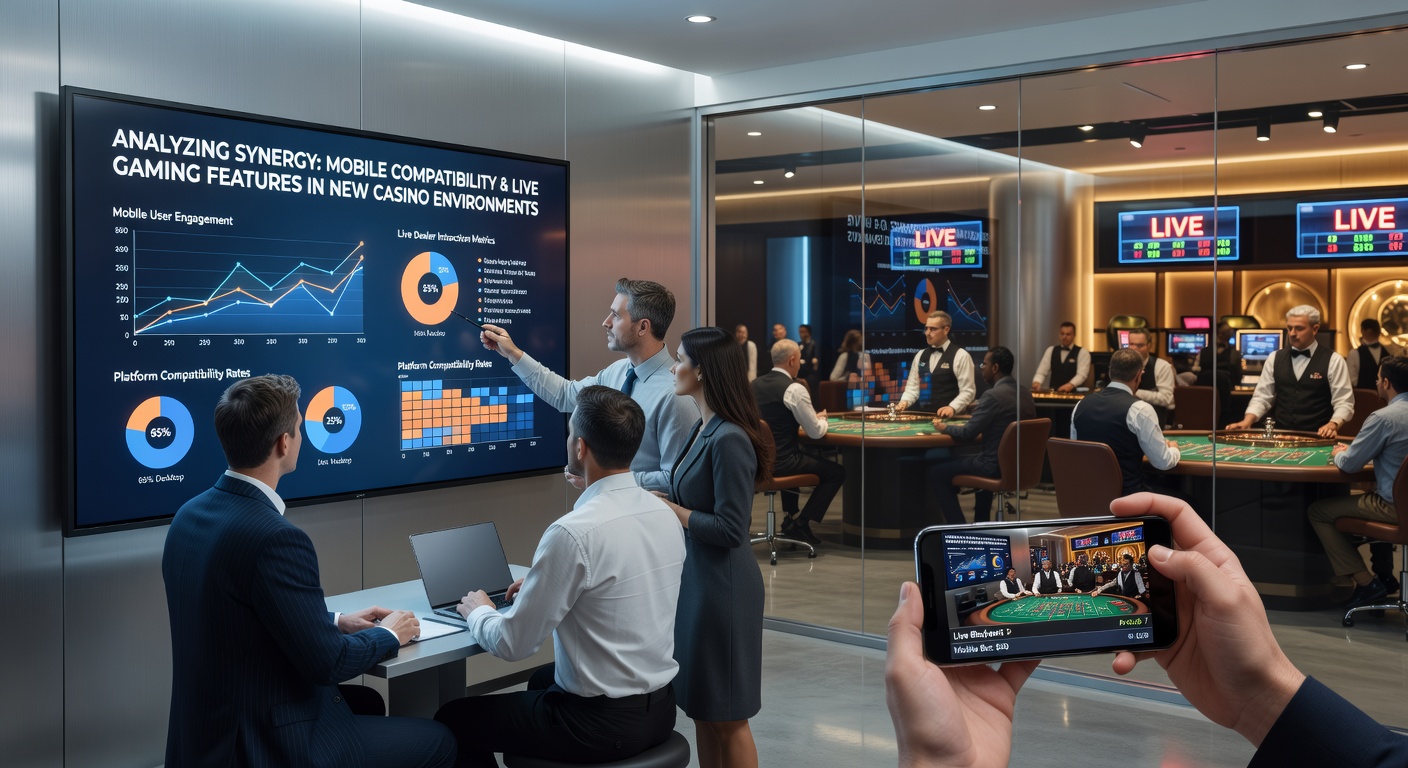
Recently established casino environments integrate mobile compatibility with live gaming features through platform architectures designed for simultaneous access across devices. Data from industry reports indicate that new operators allocate development resources to ensure live dealer streams function without interruption on smartphones and tablets while maintaining the same resolution and interaction speed as desktop versions. Observers note that this approach stems from usage patterns where players access platforms primarily through mobile connections during peak hours in May 2026.
Core Elements of Mobile Compatibility in New Casino Setups
Engineers at emerging casino operations build responsive frameworks that adjust live video feeds, chat functions, and betting interfaces based on screen size and orientation. These frameworks support HTML5 standards along with adaptive bitrate streaming, which allows video quality to shift according to network conditions without dropping the connection to the dealer. Research from gaming technology firms shows that new platforms launched since early 2025 achieve average load times under three seconds on 5G networks, whereas older systems often exceed five seconds on similar connections.
Touchscreen controls replace traditional mouse inputs in live gaming environments, with button layouts positioned to avoid accidental taps during extended sessions. Developers incorporate gesture-based commands for actions such as raising bets or switching camera angles, and testing protocols confirm these controls reduce input errors by measurable margins in controlled user trials. Platforms also embed device sensors to detect when players rotate their phones, automatically switching from portrait to landscape mode while preserving live stream continuity.
Live Gaming Features Optimized for Mobile Access
Live dealer offerings in new casino environments transmit multiple camera angles through dedicated mobile applications or browser-based players that prioritize low latency. Studios equipped with high-definition cameras feed real-time footage to servers that compress and deliver content tailored for smaller displays, preserving facial expressions and card movements at readable scales. Software updates in 2026 introduced multi-language audio tracks selectable directly from mobile interfaces, allowing players to choose dealer narration without exiting the game window.
Interaction tools within these live sessions include instant messaging panels that expand or collapse based on user preference, alongside emoji reaction sets that appear on screen for the dealer and other participants. Data collected by platform analytics teams reveal higher engagement rates when these tools operate seamlessly across operating systems including iOS and Android variants. New environments further incorporate augmented overlays that display statistics such as recent win streaks or table history directly above the video feed, updating in real time as rounds progress.
How Mobile and Live Elements Combine in Emerging Operations
The synergy appears in unified account systems that carry player balances, preferences, and session histories between mobile and live dealer sections without requiring separate logins. When a user switches from slots to a live roulette table mid-session, the platform maintains context such as active promotions or loyalty points, which reduces friction and supports longer play periods. Technical teams achieve this through backend databases that synchronize across devices within milliseconds, a capability documented in case studies from operators entering regulated markets in 2025 and 2026.
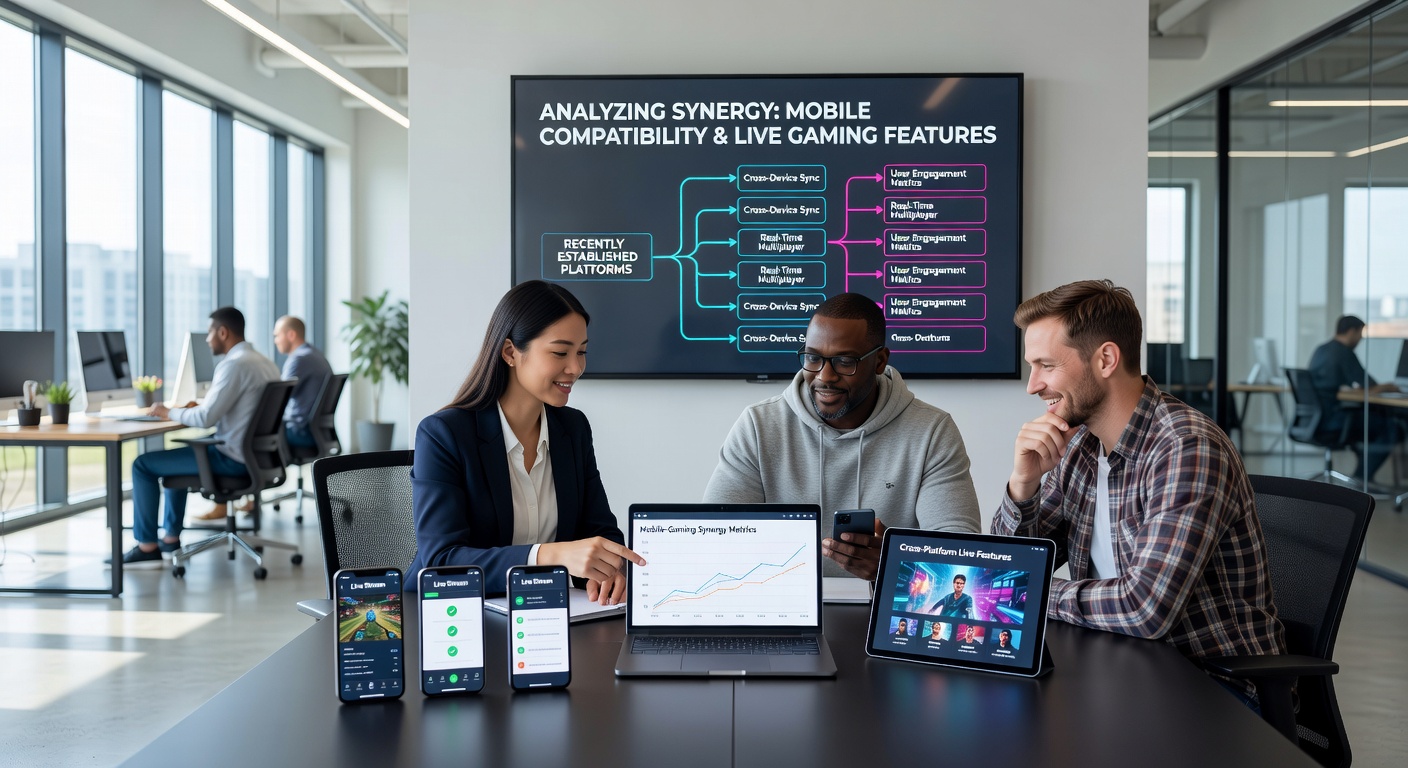
Security protocols adapt to mobile environments by employing device fingerprinting and biometric authentication options such as fingerprint or facial recognition, which integrate with live game entry points. Regulatory bodies in Ontario and several Australian states require these measures for new license holders, and compliance reports indicate that operators meeting these standards experience fewer account verification delays. The combination enables players to join live tables directly from push notifications received on their phones, bypassing lengthy navigation menus.
Developments Observed Through May 2026
Figures released by iGaming Ontario for the period ending May 2026 show increased mobile traffic to live gaming sections among operators licensed within the prior twelve months. These figures reveal that sessions initiated on smartphones accounted for over sixty percent of total live dealer activity at qualifying sites, with average duration extending when interfaces included customizable notification settings. Similar patterns appear in data from the American Gaming Association, which tracks commercial gaming metrics across U.S. jurisdictions where new mobile-first casinos received approvals during the same timeframe.
Partnerships between new casino operators and software providers have produced specialized toolkits that embed live streaming directly into native mobile applications, eliminating browser redirects. One documented rollout in early 2026 included real-time dealer chat translated through integrated machine learning models, tested across multiple language groups with accuracy rates above ninety percent according to internal validation logs. Observers note that these integrations correlate with retention metrics tracked by platform dashboards, though specific causality requires further longitudinal study.
Technical and Regulatory Considerations
Network optimization remains central, with new environments deploying content delivery networks positioned near major population centers to minimize lag during live sessions. Testing conducted by independent labs confirms that jitter rates stay below thresholds that would disrupt card dealing visibility, even under variable 4G conditions common in suburban areas. Regulators in select Canadian provinces mandate quarterly audits of these technical specifications for recently established platforms, ensuring mobile compatibility claims match operational performance.
Cross-device continuity features allow players to begin a live blackjack round on a phone during commute hours and resume on a tablet at home with identical table state preserved. Backend systems record every action timestamped to the millisecond, enabling seamless handoff without dealer intervention. Such capabilities reflect investments in cloud infrastructure that new operators prioritize over legacy hardware setups used by longer-established competitors.
Conclusion
Integration of mobile compatibility standards with live gaming features in recently established casino environments centers on synchronized technical infrastructure and regulatory compliance frameworks active through May 2026. Performance metrics from licensed operators demonstrate measurable alignment between these components, supported by data from regional authorities and industry associations. Continued refinement of streaming protocols and device authentication methods shapes how these environments deliver consistent access across user sessions.